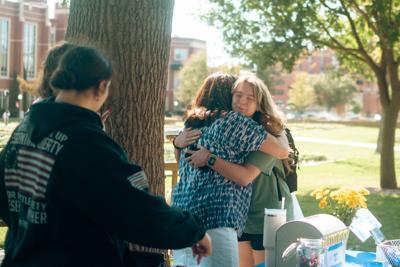


Almost a year after an attack by Hamas, a Palestinian militant group, that killed 1,200 Israelis and triggered the current war in Gaza, Oklahoma Hillels and Students for Justice in Palestine held vigils on the South Oval to commemorate Oct. 7.
‘I hope that something will change’
People in shades of blue with yellow ribbon pins gathered on the South Oval in support of Israel. Their pins represented the hostages and victims of the Oct. 7 attack whose photos were displayed around a table next to an Israeli flag.
OU professor Rhona Seidelman, director of the Schusterman Center for Judaic and Israel Studies, opened the vigil by reading a statement.
“We're coming together to mark one year since the Hamas-led massacre in Israeli homes and communities,” Seidelman said. “We are here to bear witness and to mourn.”
The statement was written by Seidelman; Kasi Shelton, executive director of OU Hillel; and Rabbi Mendel Goldman, director of Chabad of Norman, to represent the Jewish community of Norman.
“Oct. 7 is now a day of mourning and a way to help ensure that the stories and lives of those we lost will never be forgotten,” Shelton wrote in an email to OU Daily.
“This was the largest single massacre of Jews since the Holocaust,” Seidelman said.
They also wrote that Israel needs to “do better” in protecting citizens caught in the crossfire of the war and Oct. 7 was perpetrated by people who “chose evil.”
“We will not be silent in the face of intimidation, and we will continue our mission to promote peace, humanity and compassion for Israelis, Palestinians and all innocents the world over,” Seidelman said.
Goldman also addressed the crowd, reading from the book of Psalms and telling stories of Jewish students in Norman who have reconnected with their heritage since Oct. 7.
“The response globally and here at OU has been coming together, come closer together to be more proud of our Judaism, be more proud of our heritage, connected,” Goldman said in an interview. “So definitely while there's dark clouds in the sky for us, our future is definitely bright.”
Goldman said the “legacy” of those killed on Oct. 7 is the “thousands and thousands” of Jewish people who have strengthened their faith since.
Kanaan Goldstein, an OU alum, said she was nervous about the anniversary of the attack. She remembered feeling like she couldn’t breathe last year, so she wanted to be in community with other Jewish people this year.
“I feel like it's my job and I'm obligated to try to find a way to make meaning of Oct. 7,” Goldstein said. “But the truth is, it's so raw. It still hurts so badly. I'm still so much in process of it that I have no way to make meaning of it.”
With the recent Jewish New Year, Rosh Hashanah, Goldstein said Jewish people reflect on renewal, repentance and forgiveness.
“I'm realizing I don't have any brilliant or bright or comforting things to say,” Goldstein said. “I’m in (expletive) pain. I’m so sad. And I want to say something different, but the truth is, there is nothing else to say.”
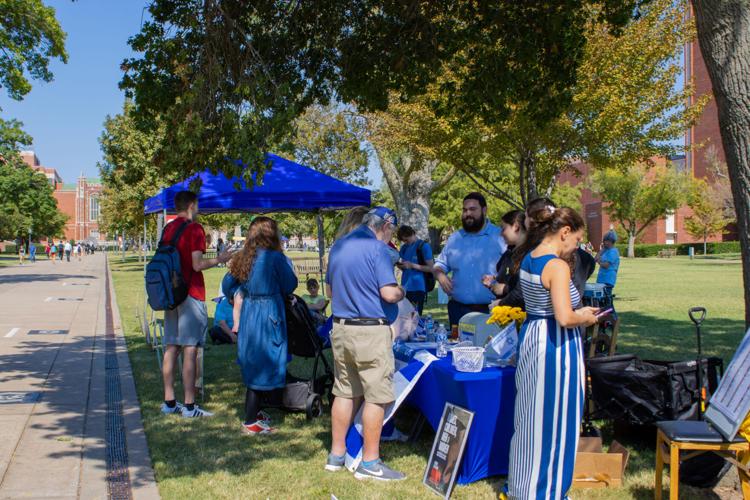
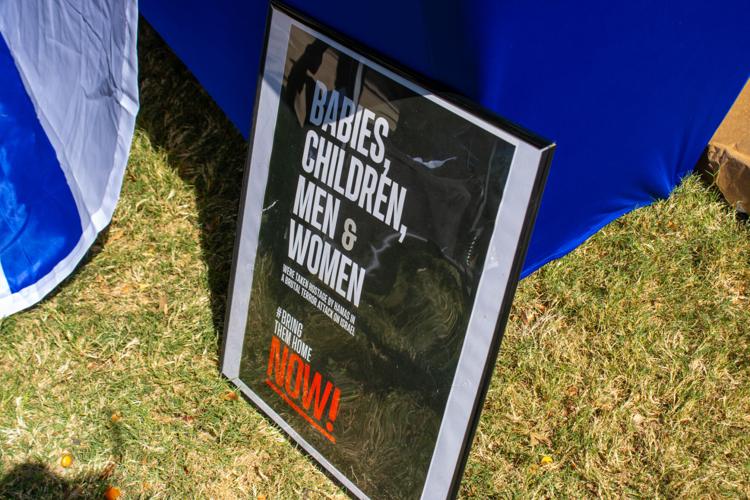


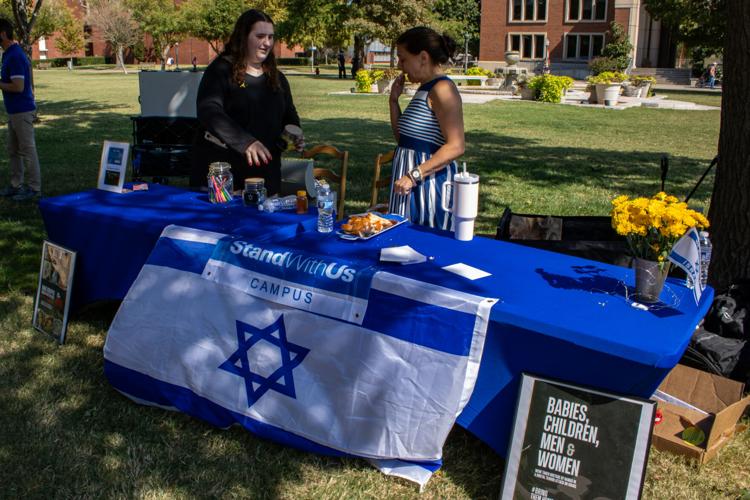

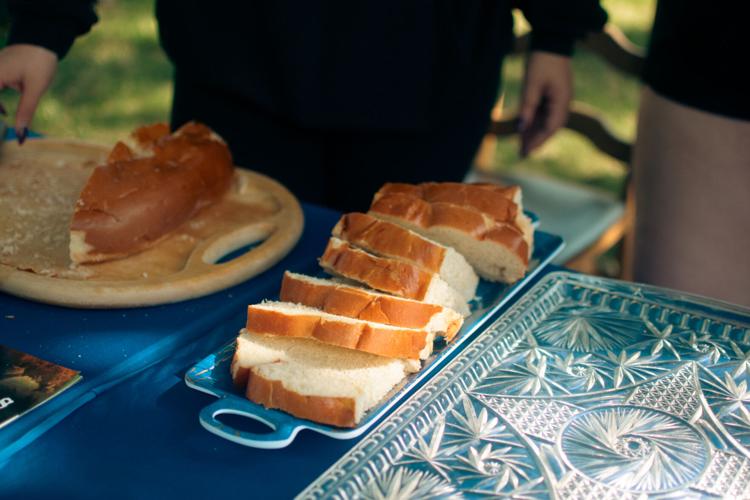


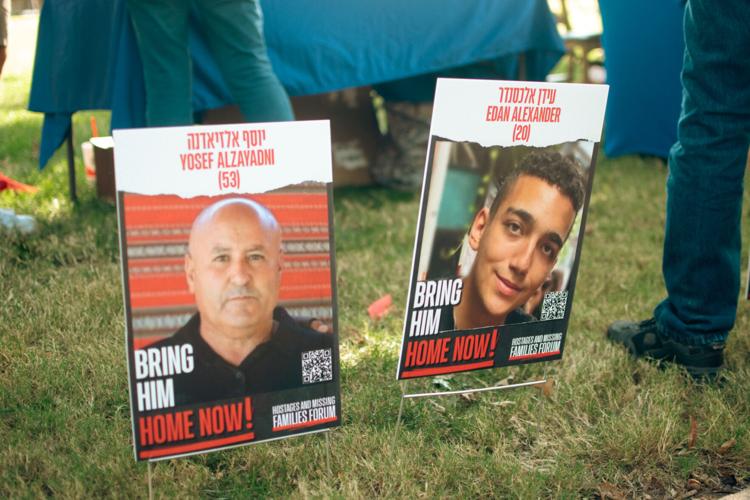

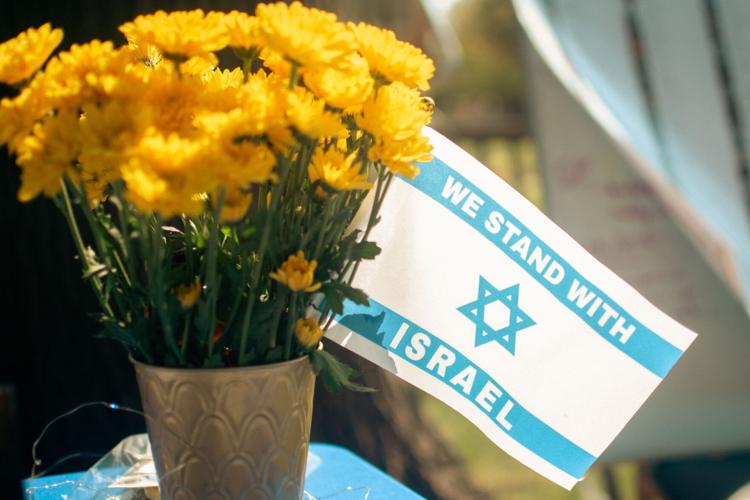
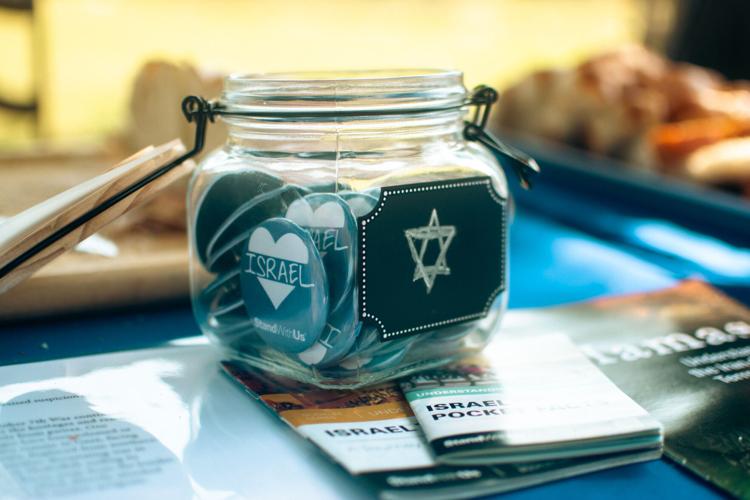


PHOTOS: Oklahoma Hillel Vigil
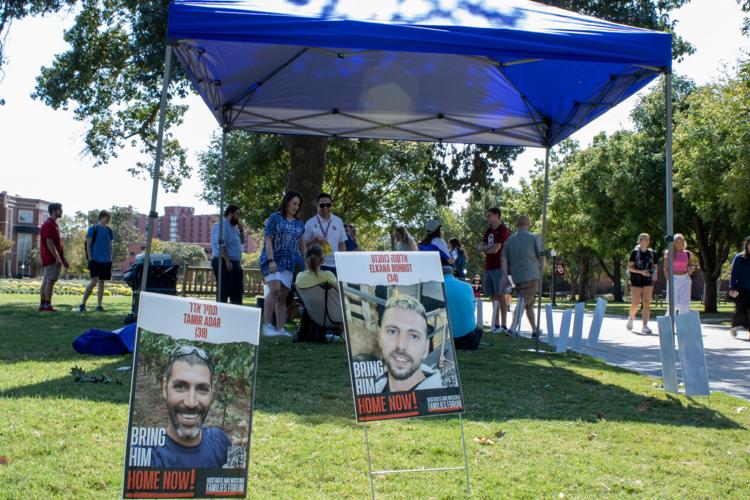
Oklahoma Hillel Vigil
Attendees of Oklahoma Hillel Vigil on Oct. 7.
Lizzie Ardizzone, a biology sophomore, said she decided to help with the event because she wanted to do something for the cause and show her fellow Jewish students they weren’t alone.
“Rosh Hashanah was a New Year in the Jewish calendar,” Ardizzone said. “So each new year it's supposed to be hope. You're supposed to have hope that the next year will be better than the last and I do, personally, have hope in God.”
Allison Perilman, a pre-law sophomore majoring in psychology, is an Emerson Fellow with StandWithUs, a global pro-Israel organization. Perilman said it’s been hard for her to see how long some Israelis have been held as hostages.
“It's hard to hold on to that hope after a whole year that they're still there,” Perilman said. “But I want to cling to that. I have hope when we come out and do things like this.”
Alonya Whittenburg, a health and exercise science senior, said she often thinks about the friends she made while visiting Israel a few years ago.
“One of my friends, he had to celebrate his birthday in a bomb shelter because of Iran's latest ballistic attack,” she said.
In response to SJP’s vigil scheduled that evening, Whittenburg said, “Part of me feels like they're just memorializing the Hamas terrorists.”
Across the South Oval near the Bizzell Memorial Library, students began to gather for the SJP’s national “Week of Rage.” White flags with the names of Palestinians who have died in the conflict were staked in the ground.
“We understand our university's complicity in every single one of those deaths because our university funds the bloody lifeline of the weapons manufacturers in the research programs in the universities in Israel,” said a student with SJP who wanted to remain anonymous.
Ardizzone said she grieved over the day and was confused about why SJP had their own demonstration given the meaning of Oct. 7.
“I just don't understand why they chose today, like that side, to be a resistance, but I welcome any sort of conversation,” she said.
Harley Combest, co-founder of OU Students for Israel, said stories he’s heard from Oct. 7 survivors have impacted him.
“They lived it. Stuff like that really gets to me, and it's a good cause, and I wanted to come out and support that,” Combest said. “That's why I'm here personally.”
Next to her yellow pin, Goldstein wore a necklace with a hamsa hand, Jewish symbol of protection, with the Hebrew symbol that means “life” on it.
“Ultimately, life is within the Jewish people, Judaism values it more than anything and that's why I'm wearing it today — because life,” Goldstein said. “Life goes on, we must continue to live. That's what we're doing here today.
“We're living.”
‘We cannot let them silence us’
OU Students for Justice in Palestine held a candlelight vigil in the South Oval to honor the thousands of Palestinians killed in Gaza since Oct. 7 of last year.
Members of the Norman community and SJP gathered around hundreds of flags in the South Oval meant to represent those killed in the conflict. Participants sang songs, prayed and reflected on the deaths of Palestinian men, women and children as poems were read to commemorate the loss of life.
Abraar Hassany, SJP’s director of public relations, said the event recognizes a year of struggle across the world, a year of solidarity with the Palestinian people and a day of mourning for everyone who's been killed, not just in the past year, but for the past 75 years.
“It reminds me of the continuation of colonialism in our day and age, and it reminds me of my grandparents and my great grandparents who lived under it, and how these issues have in no way succeeded,” Hassany said. “I hope it's a calling for all OU students to get involved in the global community.”
PHOTOS: OU Students for Justice in Palestine Vigil
OU SJP Vigil
Updated
The OU Students for Justice in Palestine memorial Vigil on Oct. 7 on the South Oval.
OU SJP Vigil
Updated
The OU Students for Justice in Palestine memorial Vigil on Oct. 7 on the South Oval.
OU SJP Vigil
Updated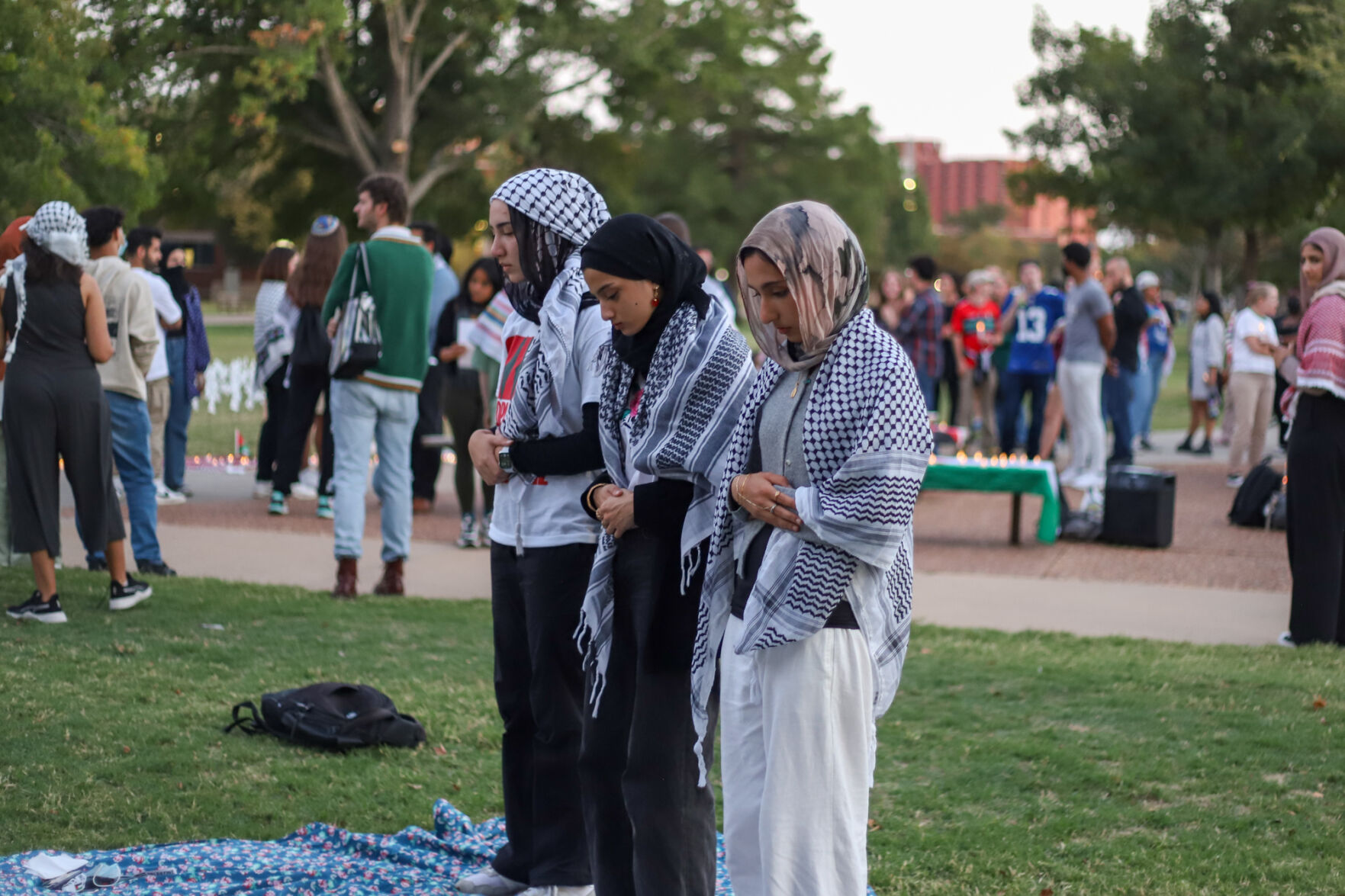
The OU Students for Justice in Palestine memorial Vigil on Oct. 7 on the South Oval.
OU SJP Vigil
Updated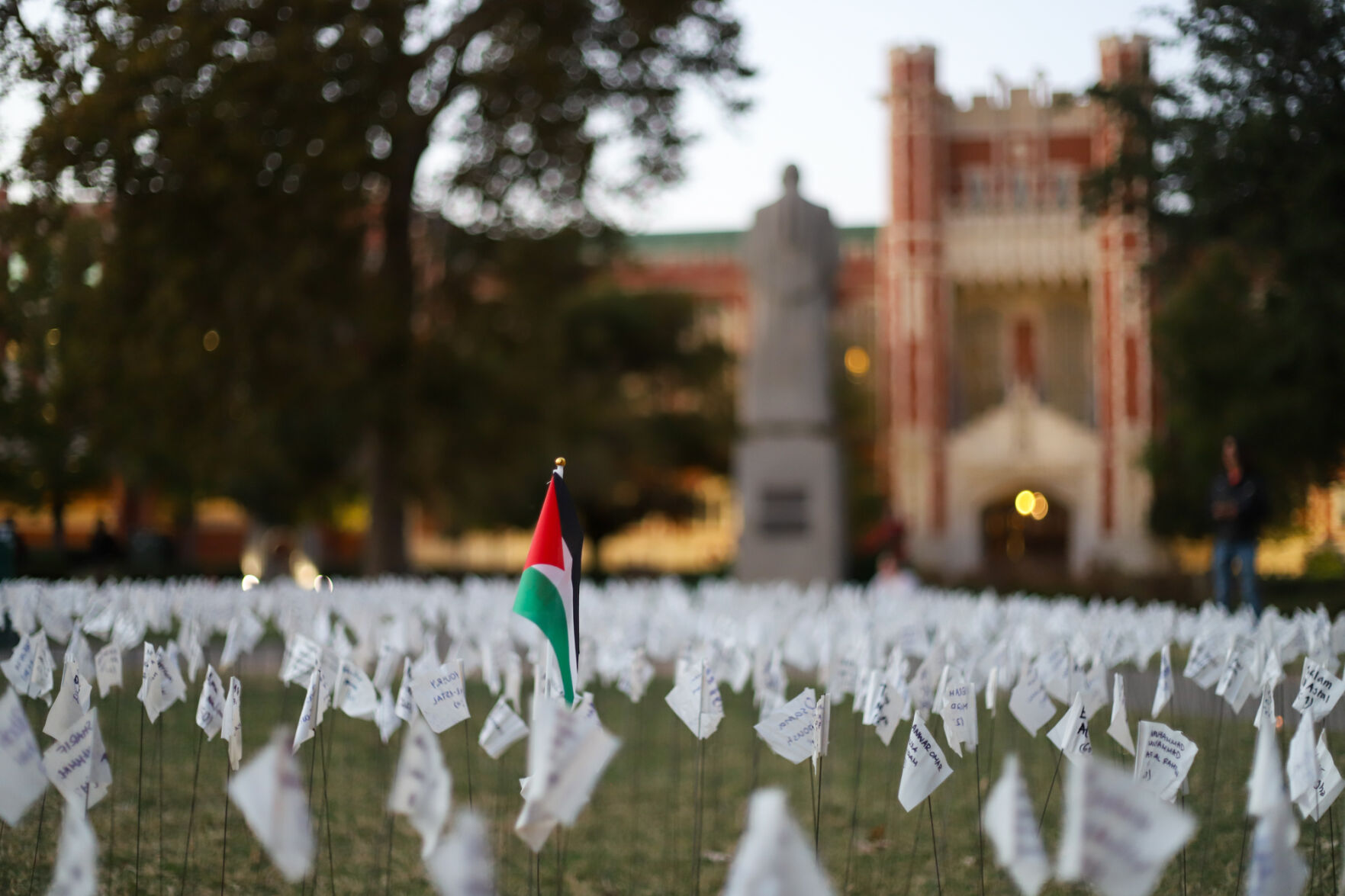
Palestinian flag raised at the OU Students for Justice in Palestine memorial Vigil on Oct. 7 on the South Oval.
OU SJP Vigil
Updated
The OU Students for Justice in Palestine memorial Vigil on Oct. 7 on the South Oval.
OU SJP Vigil
Updated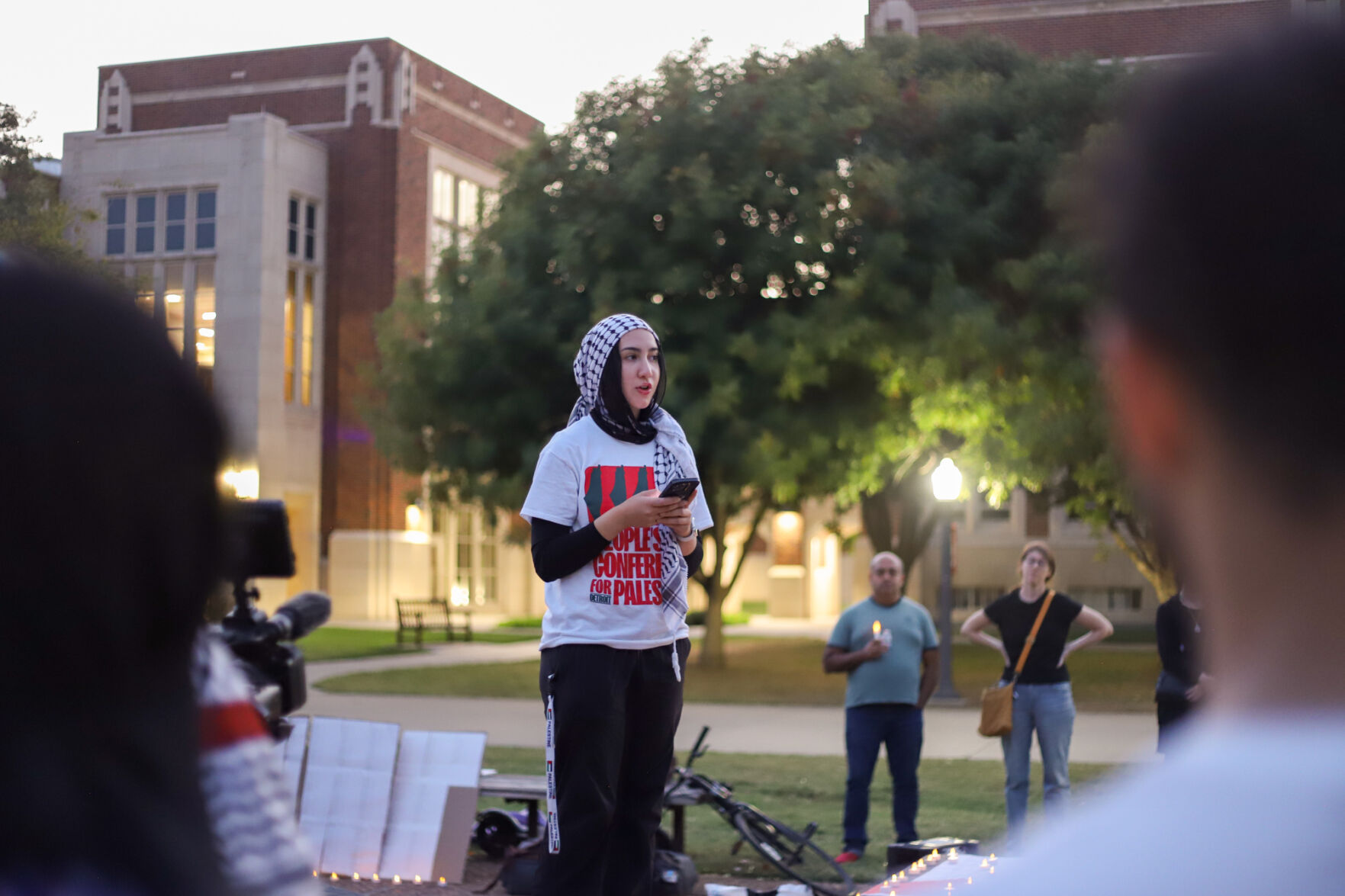
The OU Students for Justice in Palestine memorial Vigil on Oct. 7 on the South Oval.
OU SJP Vigil
Updated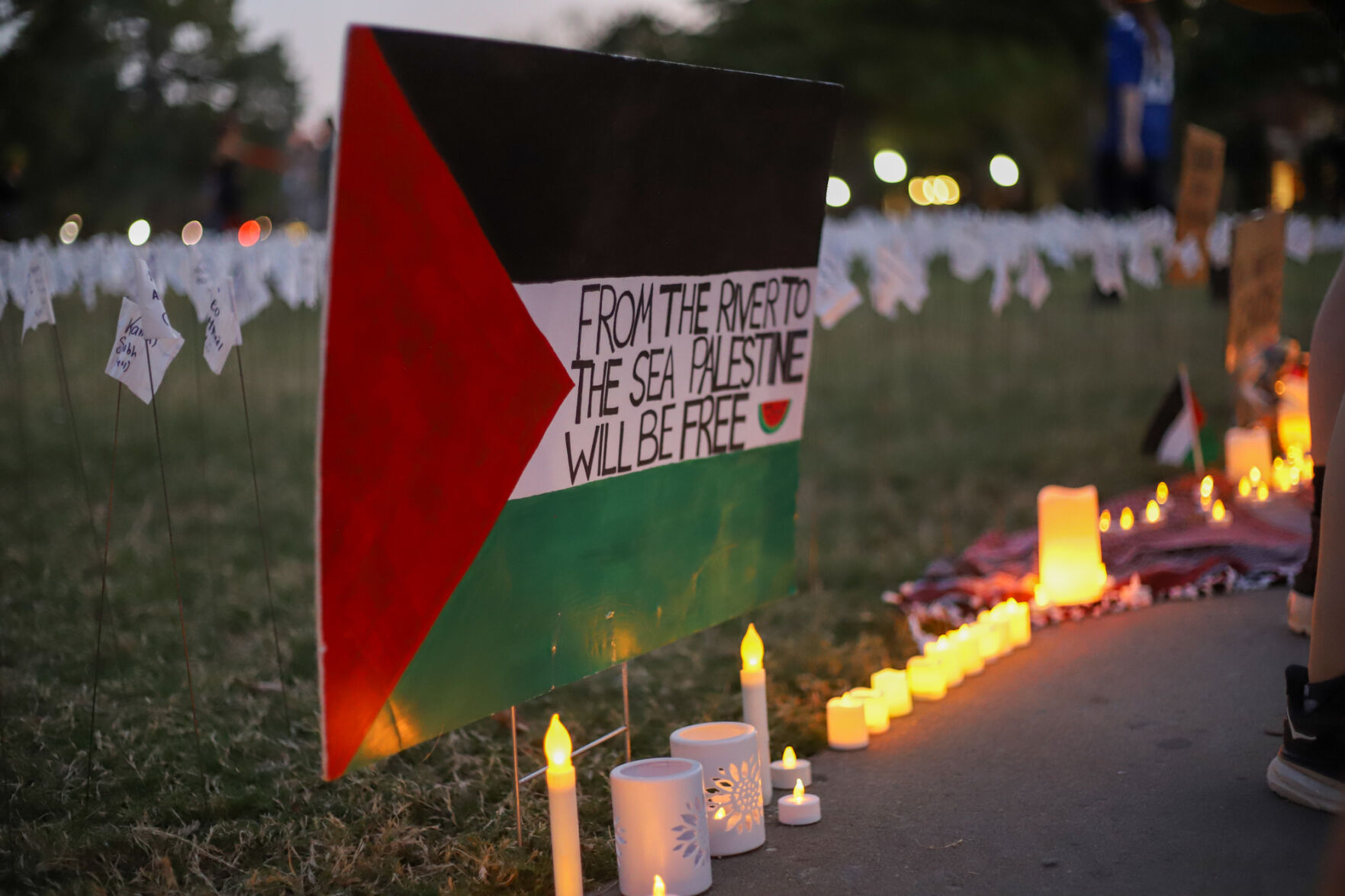
Sign surrounded by candles at the OU Students for Justice in Palestine memorial Vigil on Oct. 7 on the South Oval.
OU SJP Vigil
Updated
The OU Students for Justice in Palestine memorial Vigil on Oct. 7 on the South Oval.
OU SJP Vigil
Updated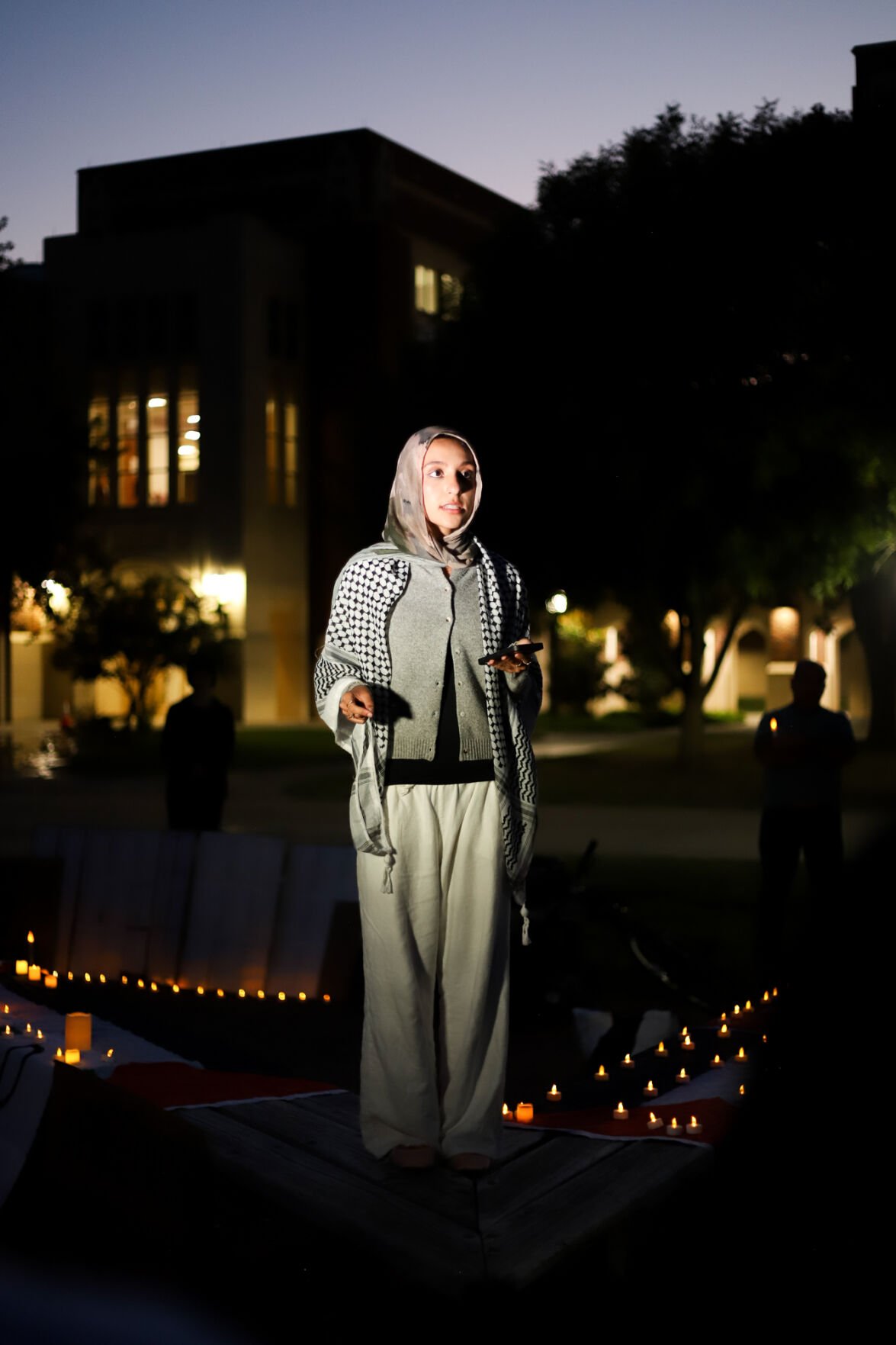
The OU Students for Justice in Palestine memorial Vigil on Oct. 7 on the South Oval.
OU SJP Vigil
Updated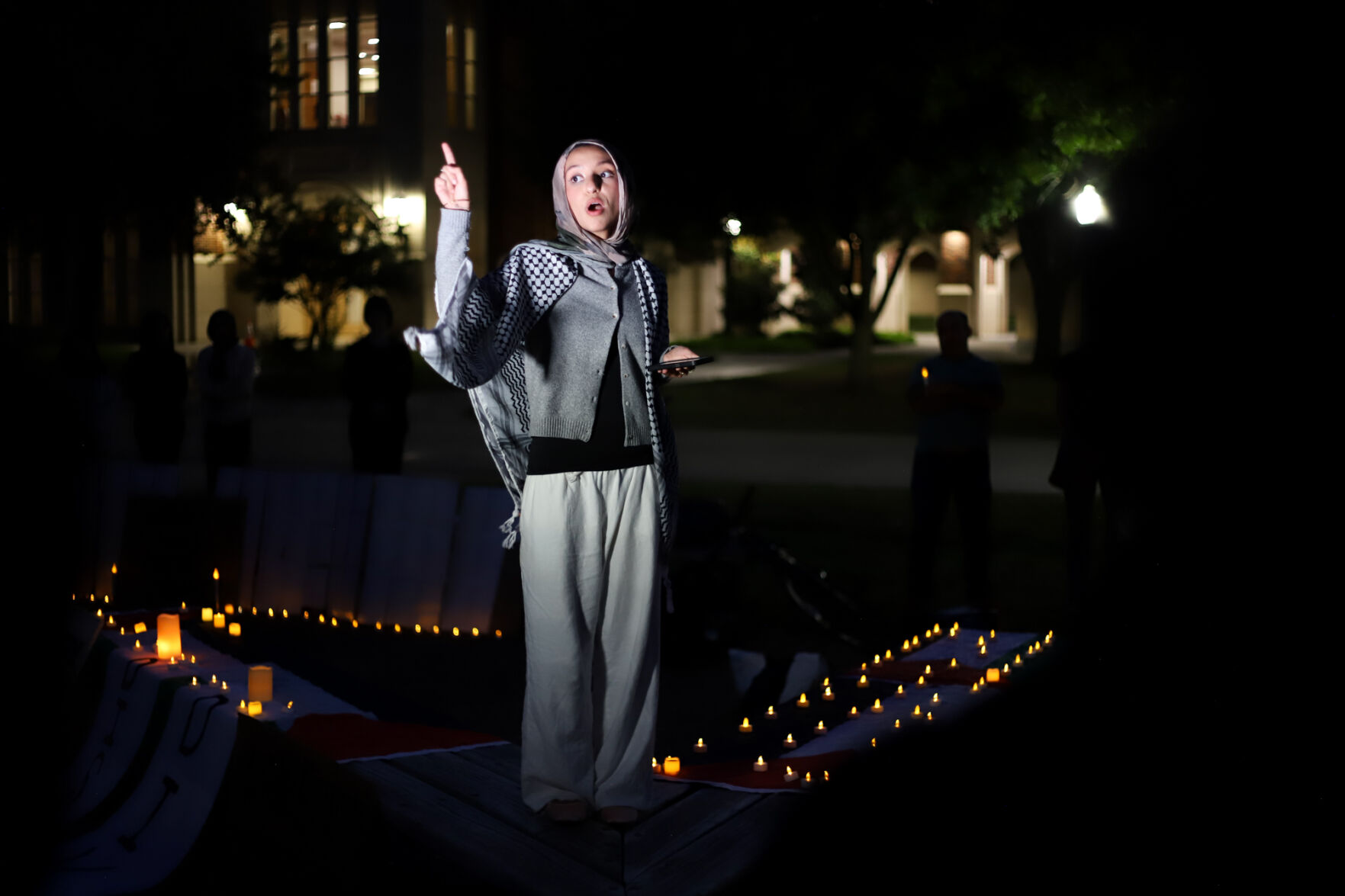
The OU Students for Justice in Palestine memorial Vigil on Oct. 7 on the South Oval.
OU SJP Vigil
Updated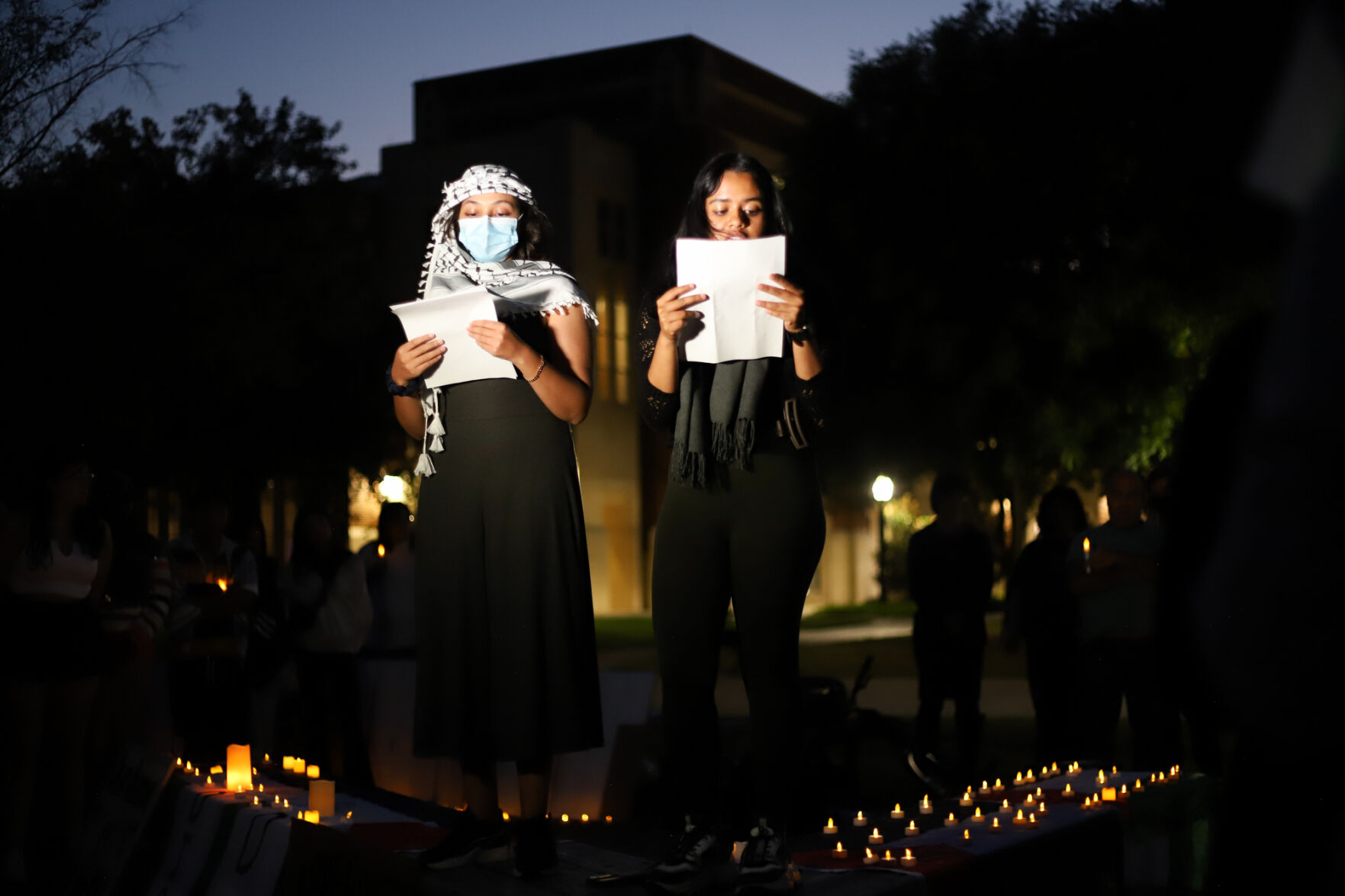
The OU Students for Justice in Palestine memorial Vigil on Oct. 7 on the South Oval.
OU SJP Vigil
Updated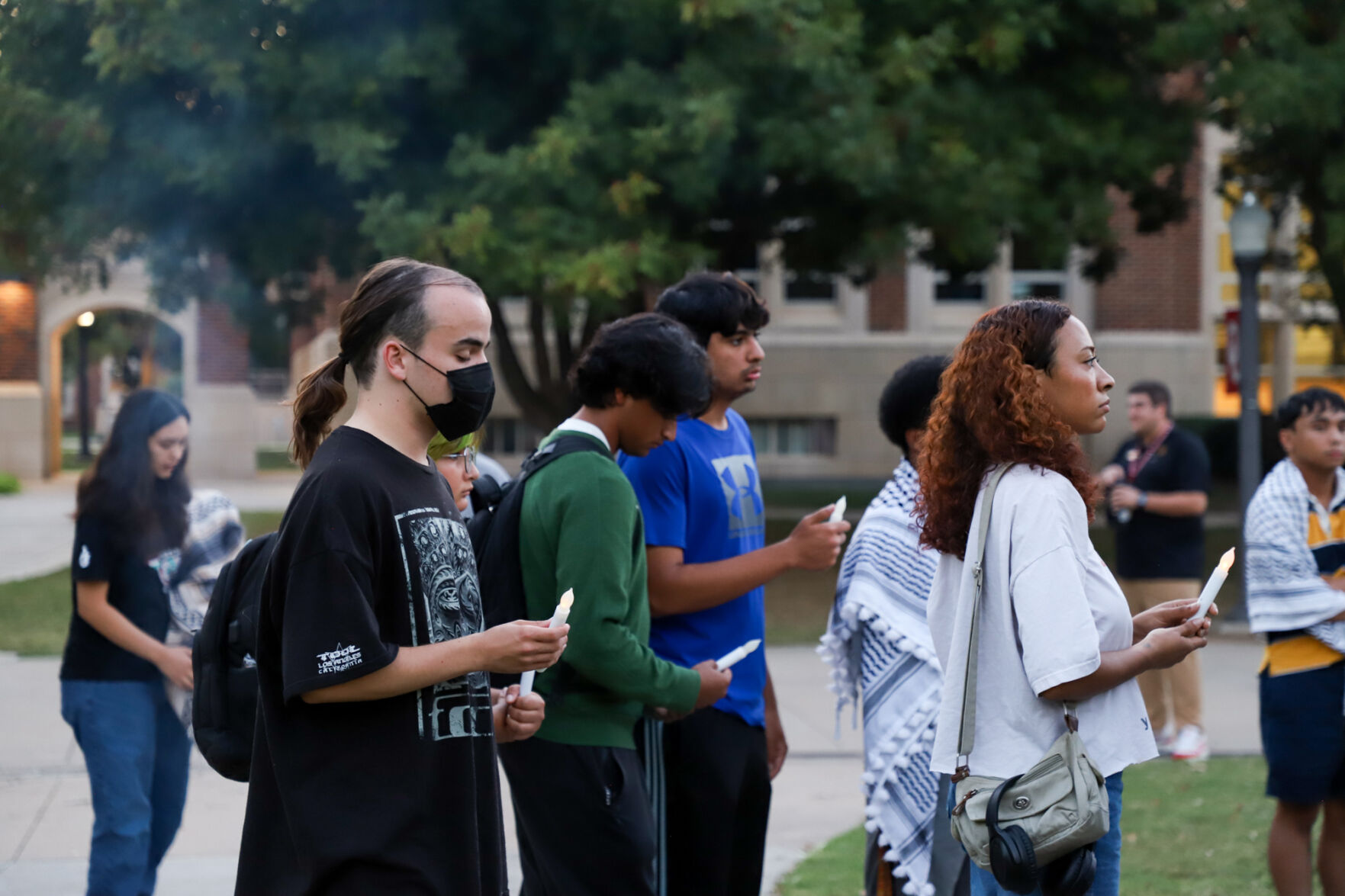
The OU Students for Justice in Palestine memorial Vigil on Oct. 7 on the South Oval.
OU SJP Vigil
Updated
The OU Students for Justice in Palestine signs at memorial Vigil on the South Oval. on Oct. 7.
OU SJP Vigil
Updated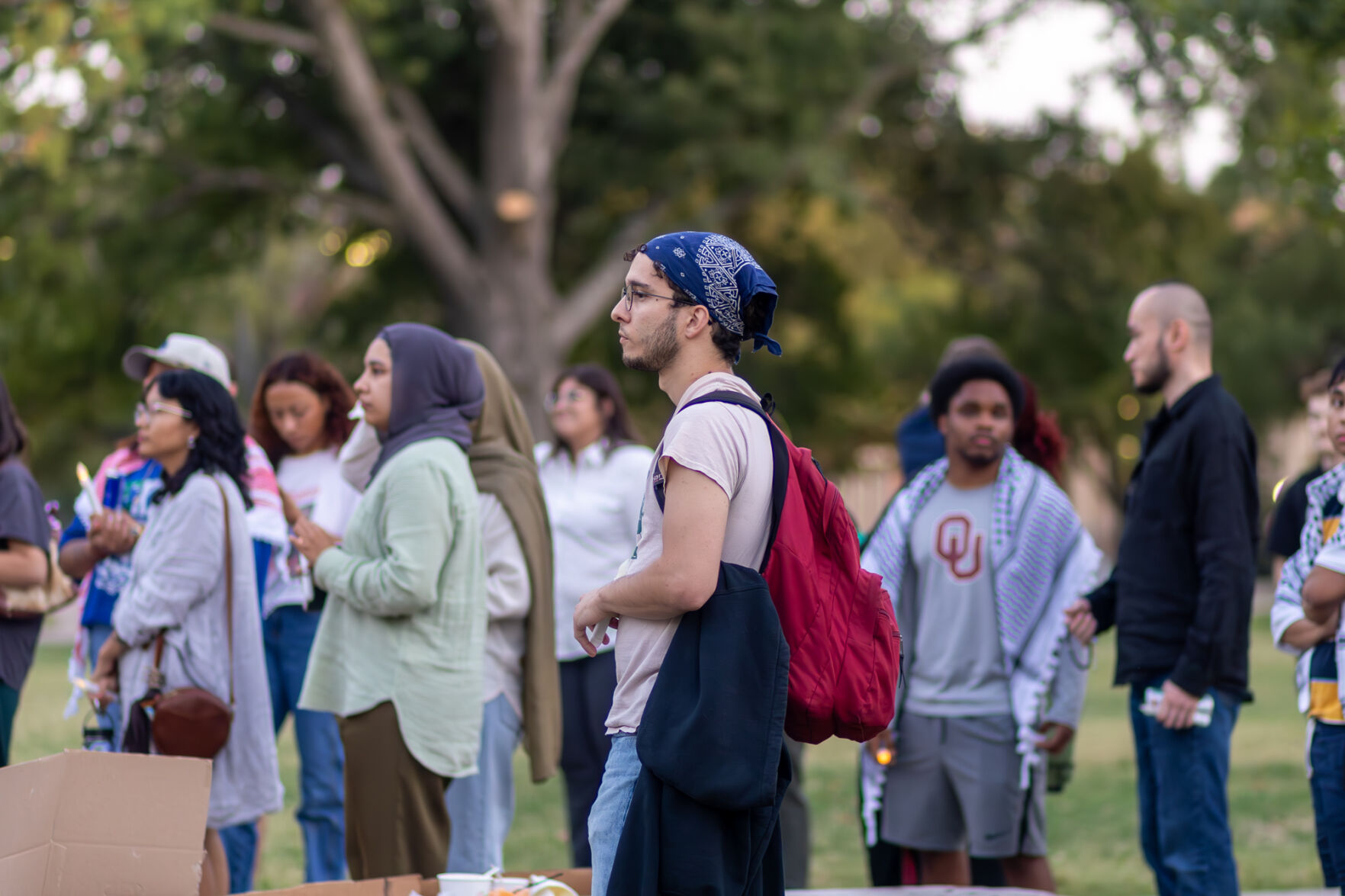
The OU Students for Justice in Palestine memorial Vigil on the South Oval. on Oct. 7.
OU SJP Vigil
Updated
Memorial flags at the OU Students for Justice in Palestine memorial Vigil on the South Oval. on Oct. 7.
OU SJP Vigil
Updated
the OU Students for Justice in Palestine at memorial Vigil on the South Oval. on Oct. 7.
OU SJP Vigil
Updated
Memorial flags at the OU Students for Justice in Palestine memorial Vigil on the South Oval. on Oct. 7.
OU SJP Vigil
Updated
Students participating in prayer at the OU Students for Justice in Palestine at memorial Vigil on the South Oval. on Oct. 7.
OU SJP Vigil
Updated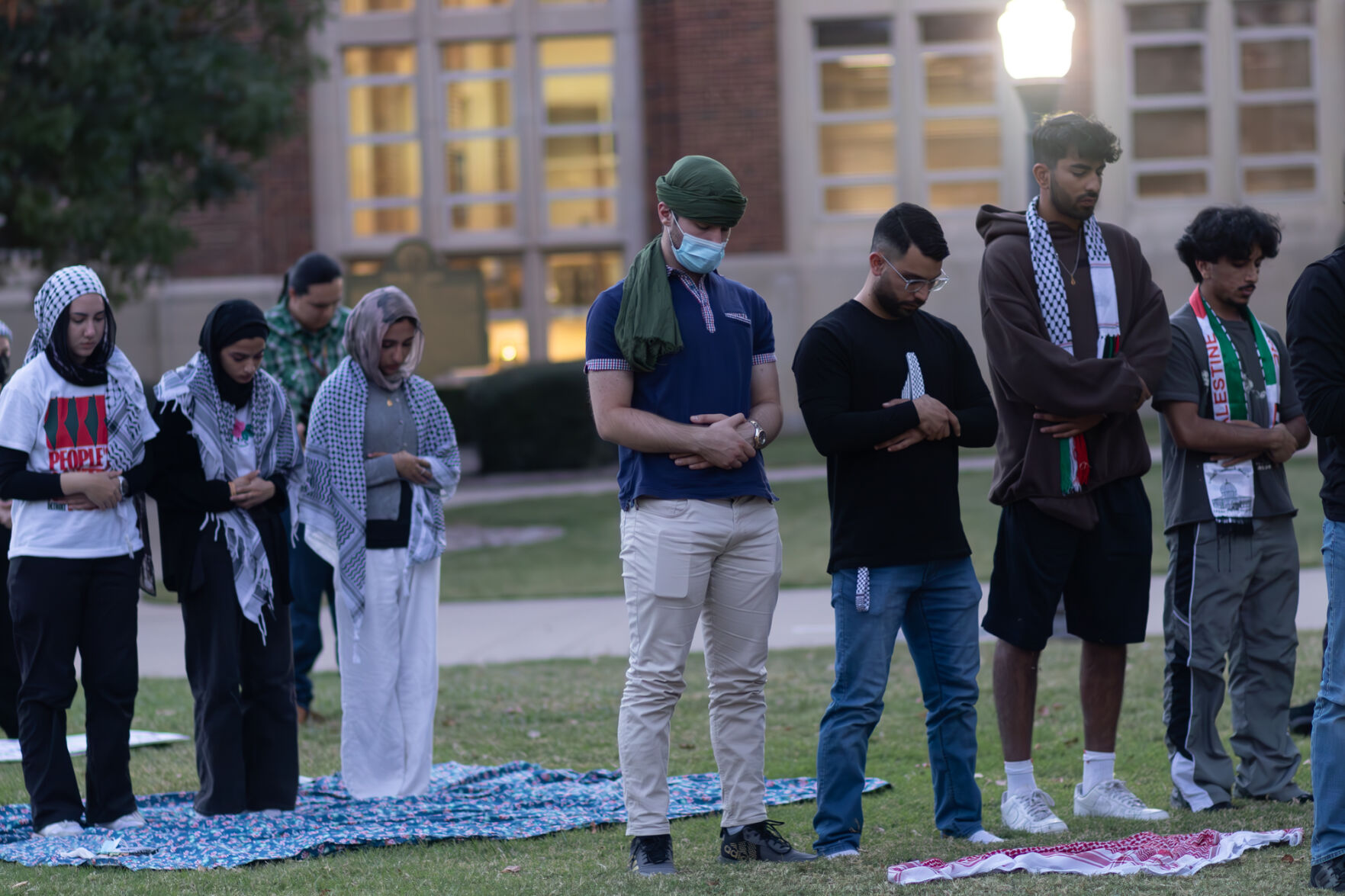
Students participating in prayer at the OU Students for Justice in Palestine at memorial Vigil on the South Oval. on Oct. 7.
OU SJP Vigil
Updated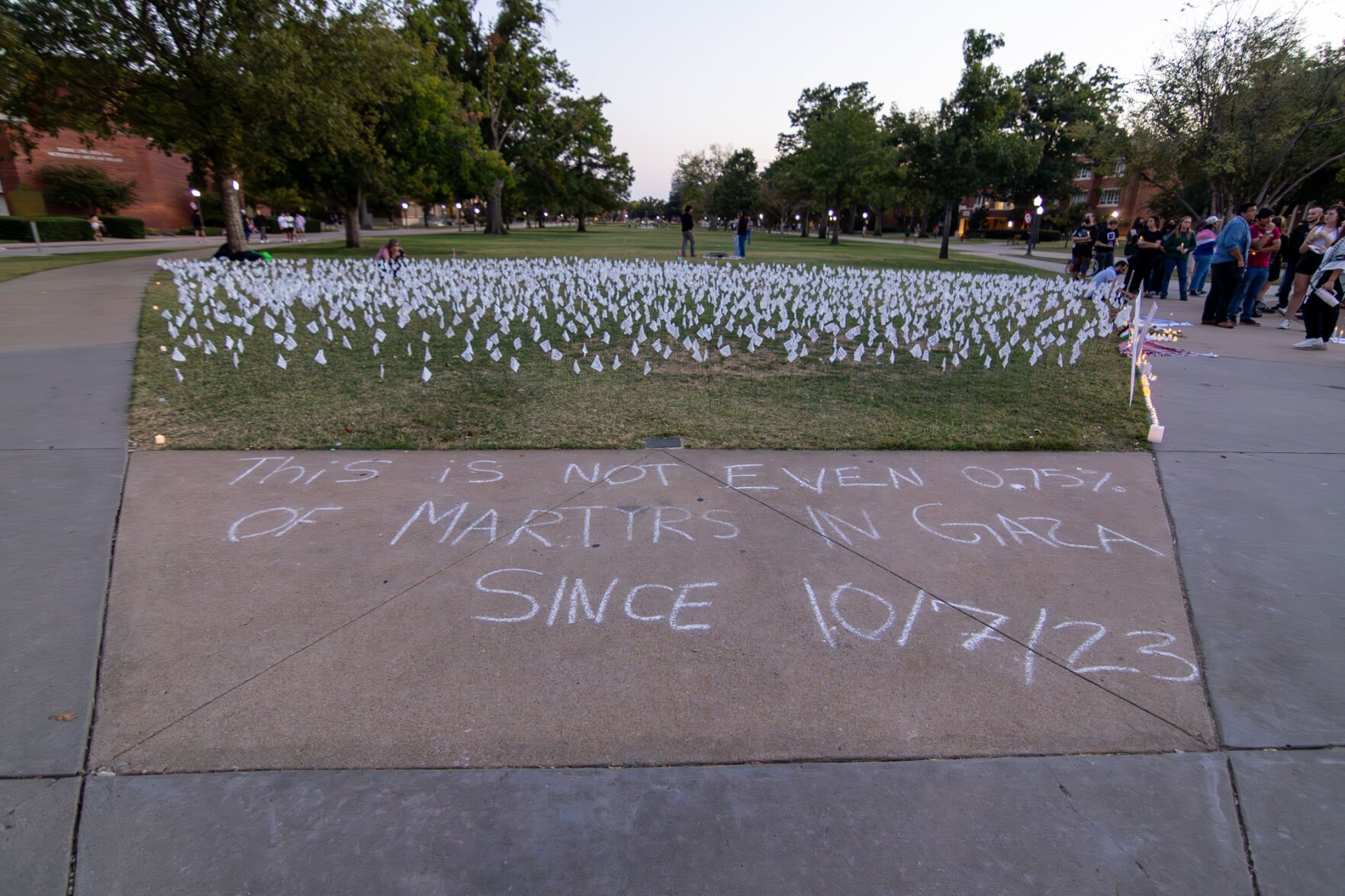
the OU Students for Justice in Palestine at memorial Vigil on the South Oval. on Oct. 7.
OU SJP Vigil
Updated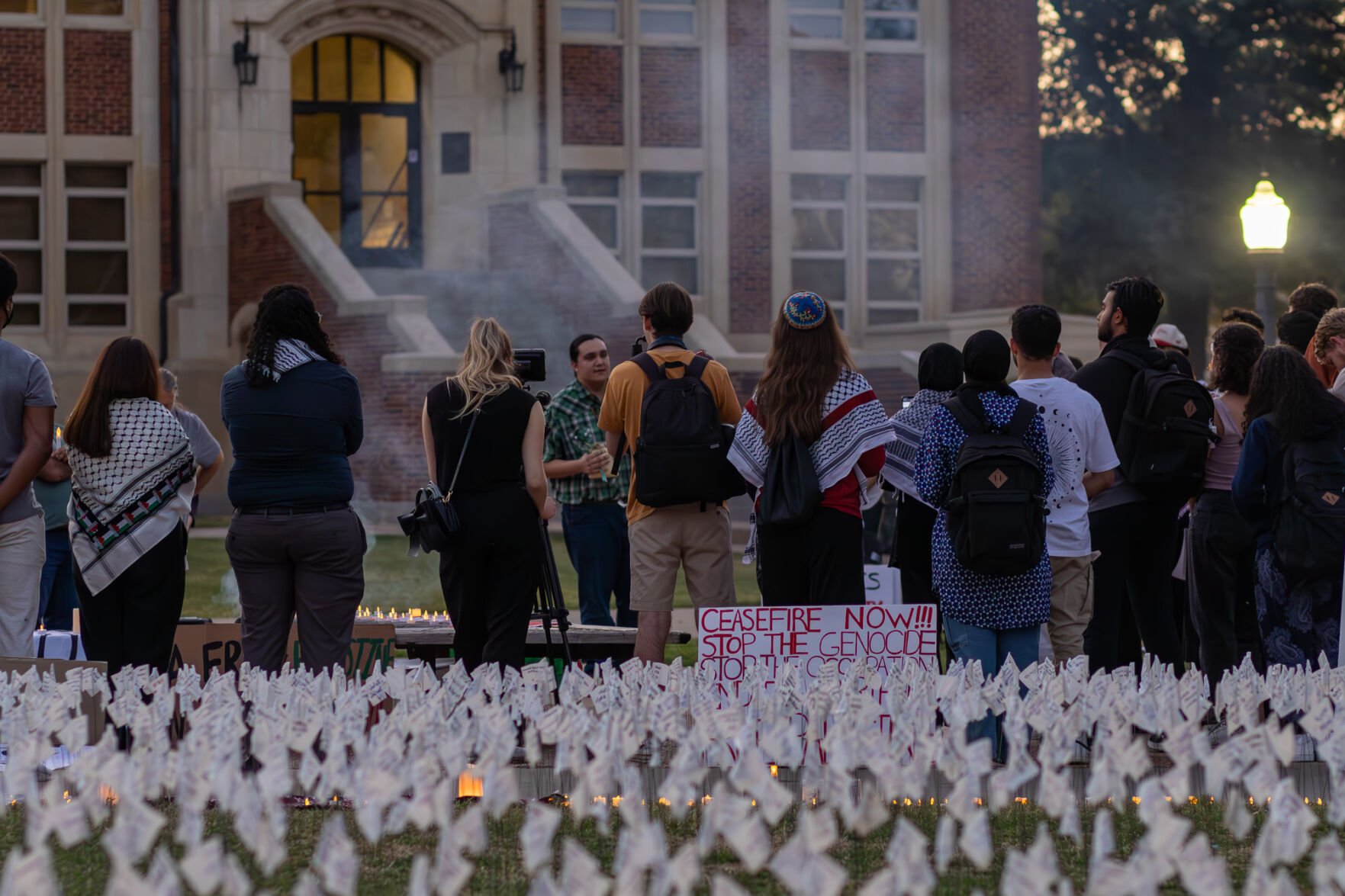
The OU Students for Justice in Palestine at memorial Vigil on the South Oval. on Oct. 7.
OU SJP Vigil
Updated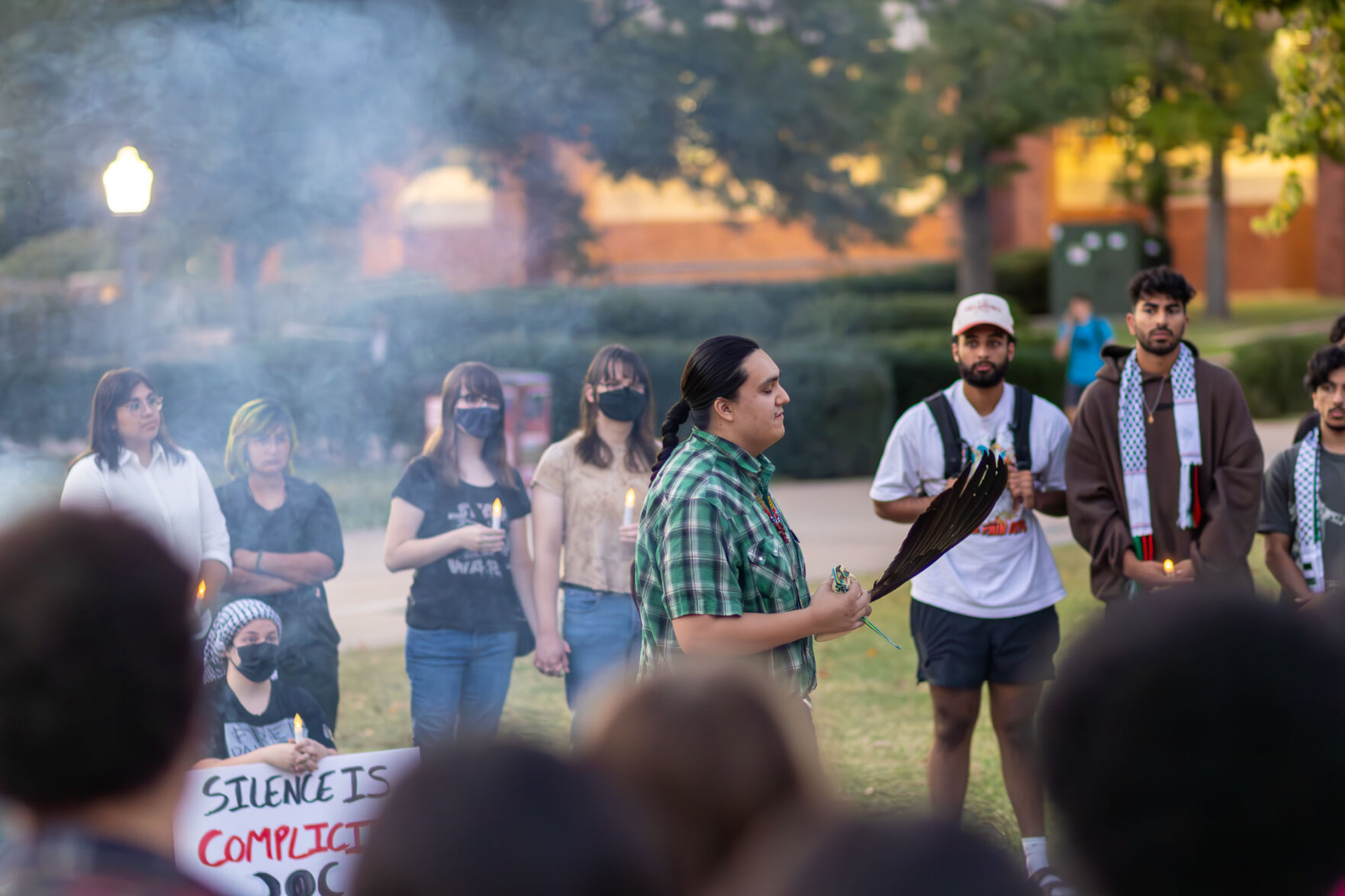
The OU Students for Justice in Palestine at memorial Vigil on the South Oval. on Oct. 7.
OU SJP Vigil
Updated
The OU Students for Justice in Palestine at memorial Vigil on the South Oval. on Oct. 7.
OU SJP Vigil
Updated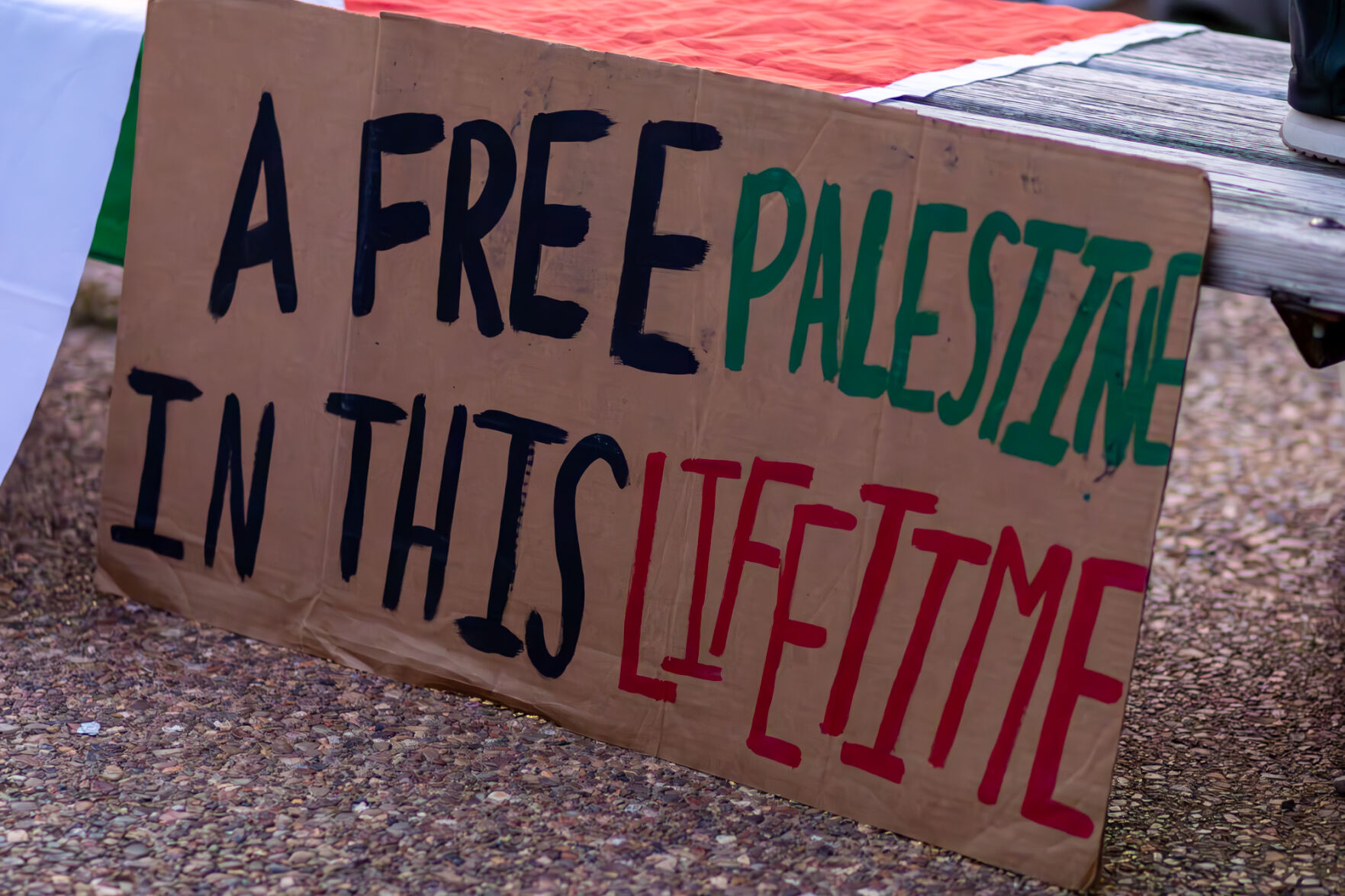
The OU Students for Justice in Palestine at memorial Vigil on the South Oval. on Oct. 7.
OU SJP Vigil
Updated
Speaker at the OU Students for Justice in Palestine at memorial Vigil on the South Oval. on Oct. 7.
OU SJP Vigil
Updated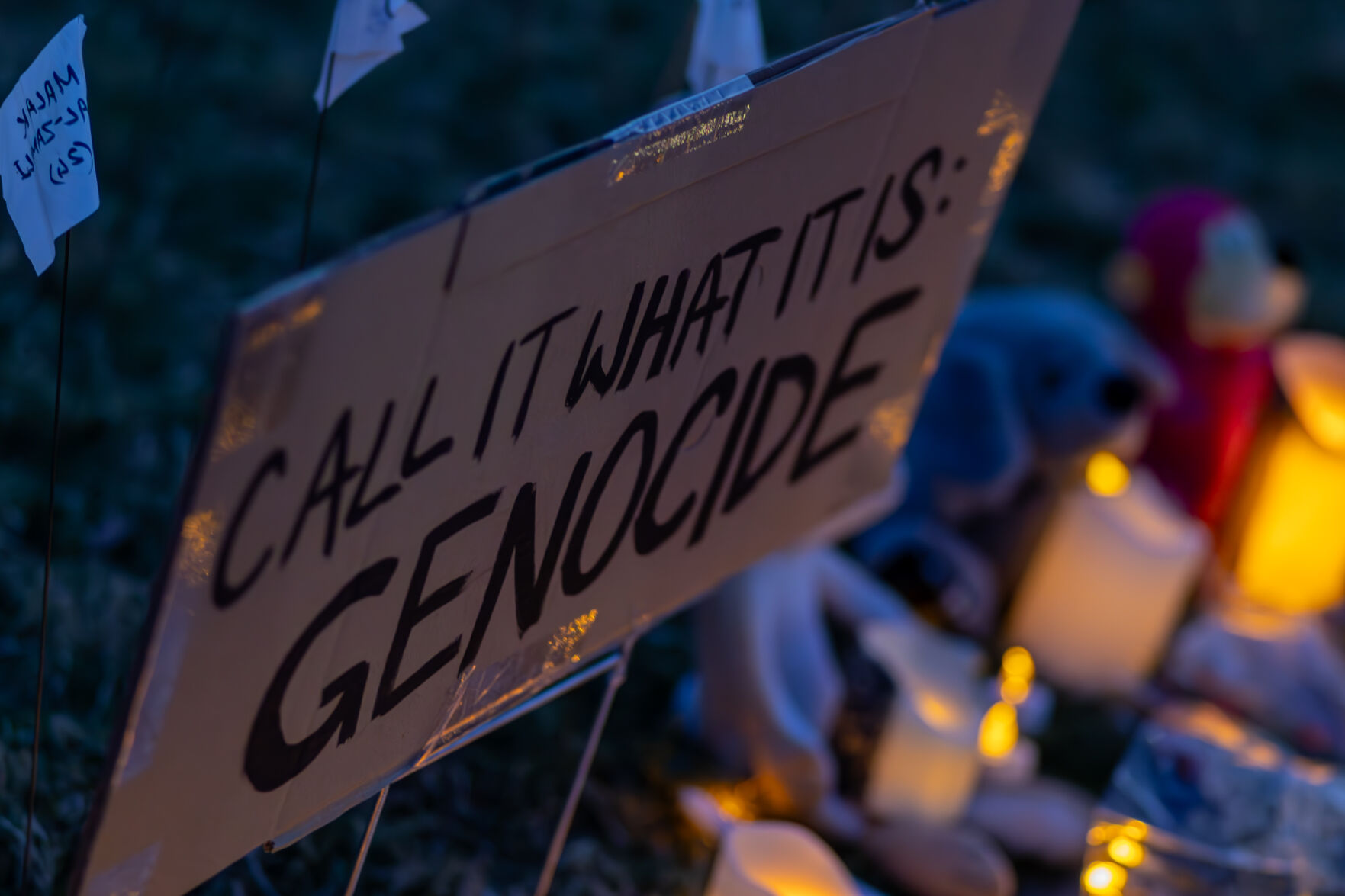
The OU Students for Justice in Palestine at memorial Vigil on the South Oval. on Oct. 7.
OU SJP Vigil
Updated
The OU Students for Justice in Palestine at memorial Vigil on the South Oval. on Oct. 7.
OU SJP Vigil
Updated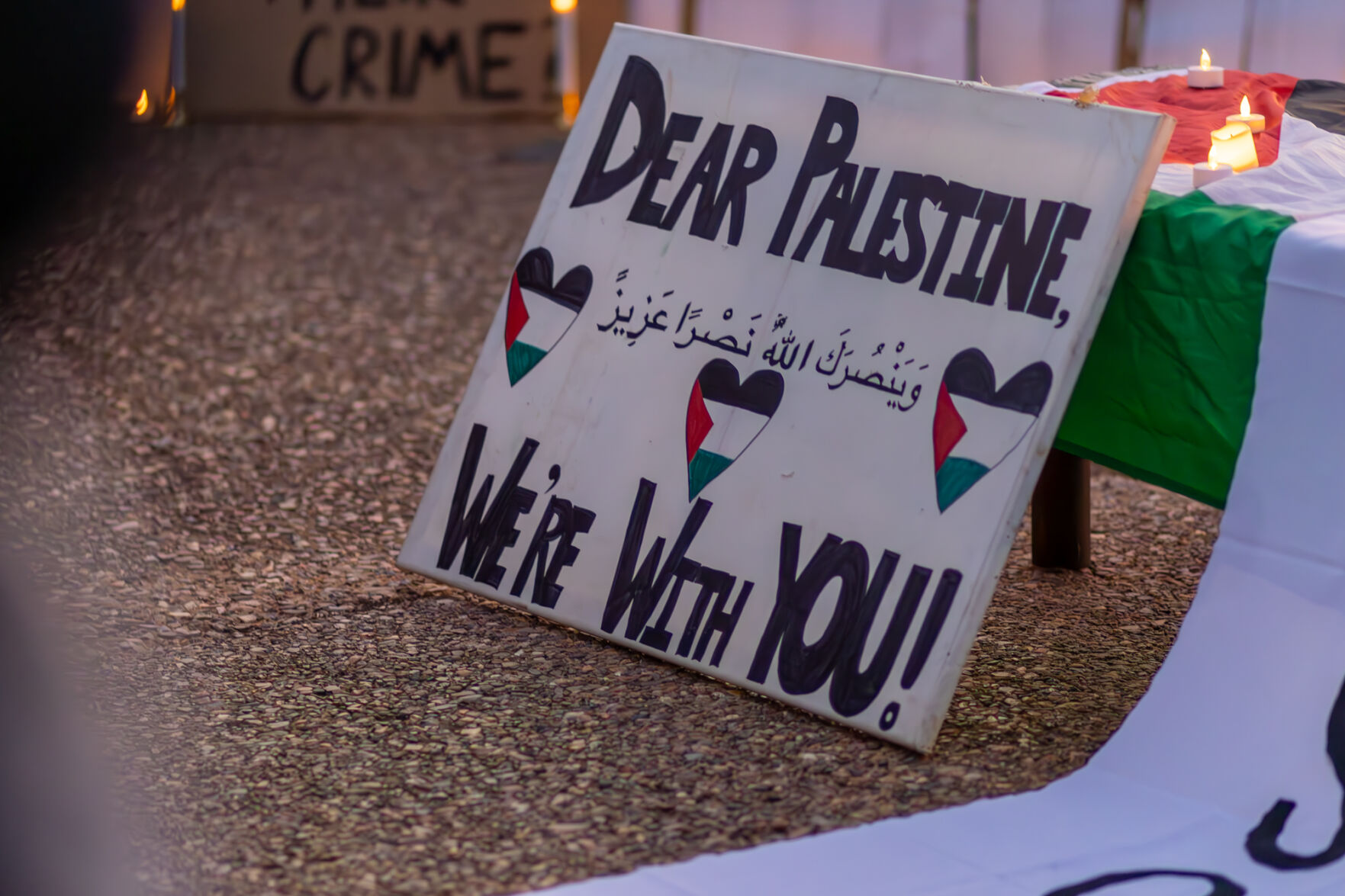
The OU Students for Justice in Palestine at memorial Vigil on the South Oval. on Oct. 7.
OU SJP Vigil
Updated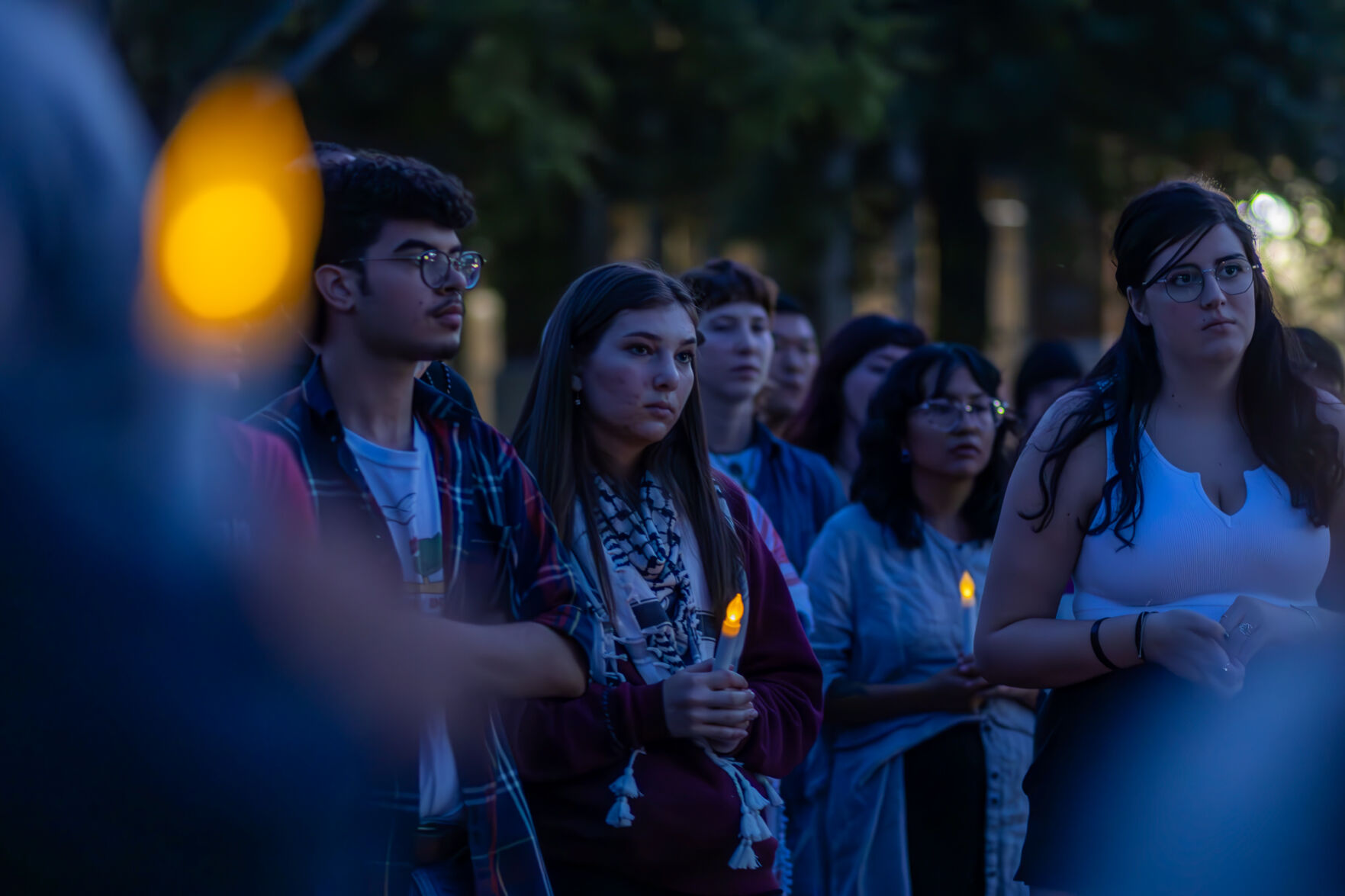
The OU Students for Justice in Palestine at memorial Vigil on the South Oval. on Oct. 7.
OU SJP Vigil
Updated
Speaker at the OU Students for Justice in Palestine at memorial Vigil on the South Oval. on Oct. 7.
OU SJP Vigil
Updated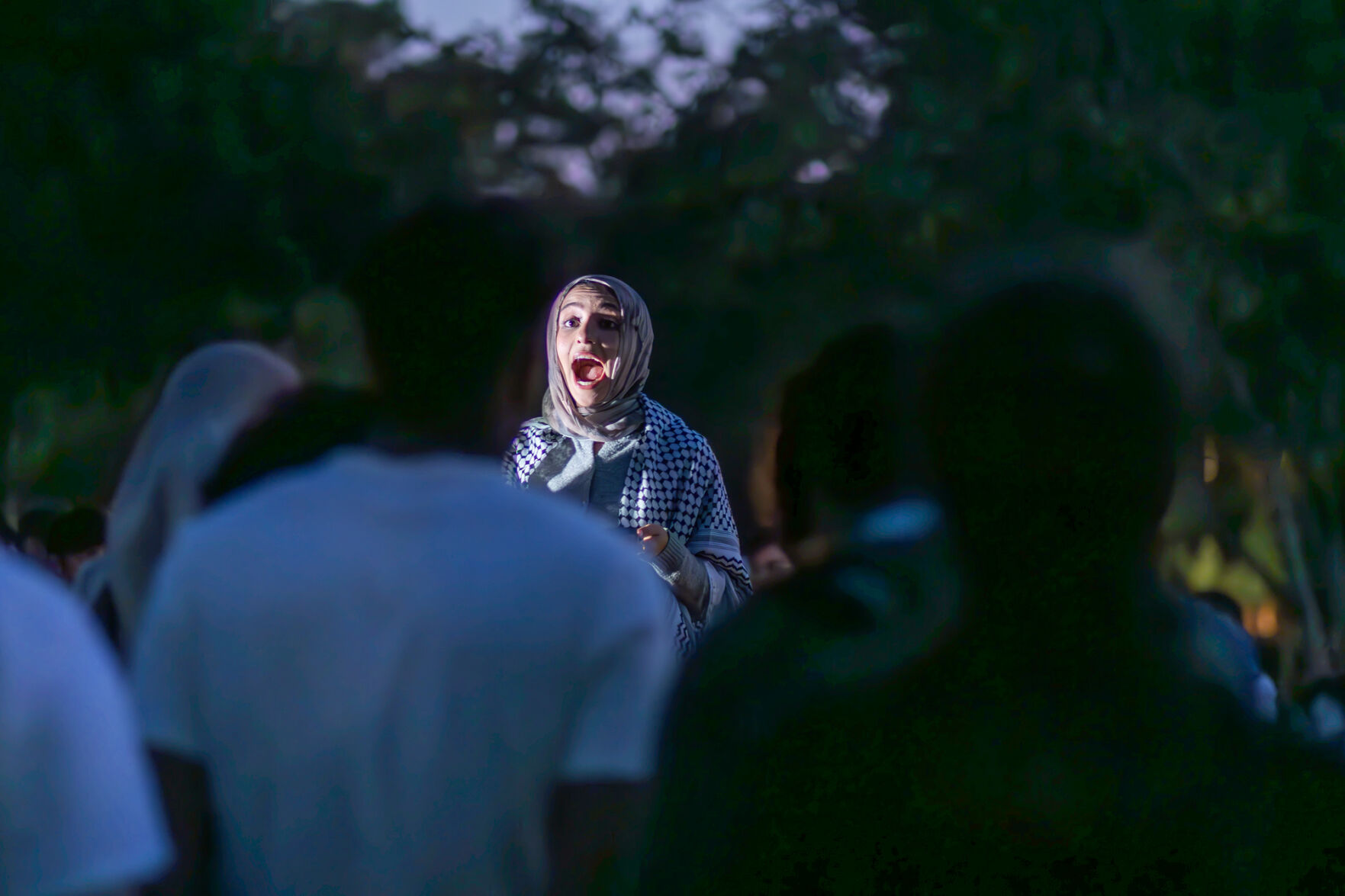
Speaker at the OU Students for Justice in Palestine at memorial Vigil on the South Oval. on Oct. 7.
OU SJP Vigil
Updated
Speaker at the OU Students for Justice in Palestine at memorial Vigil on the South Oval. on Oct. 7.
OU SJP Vigil
Updated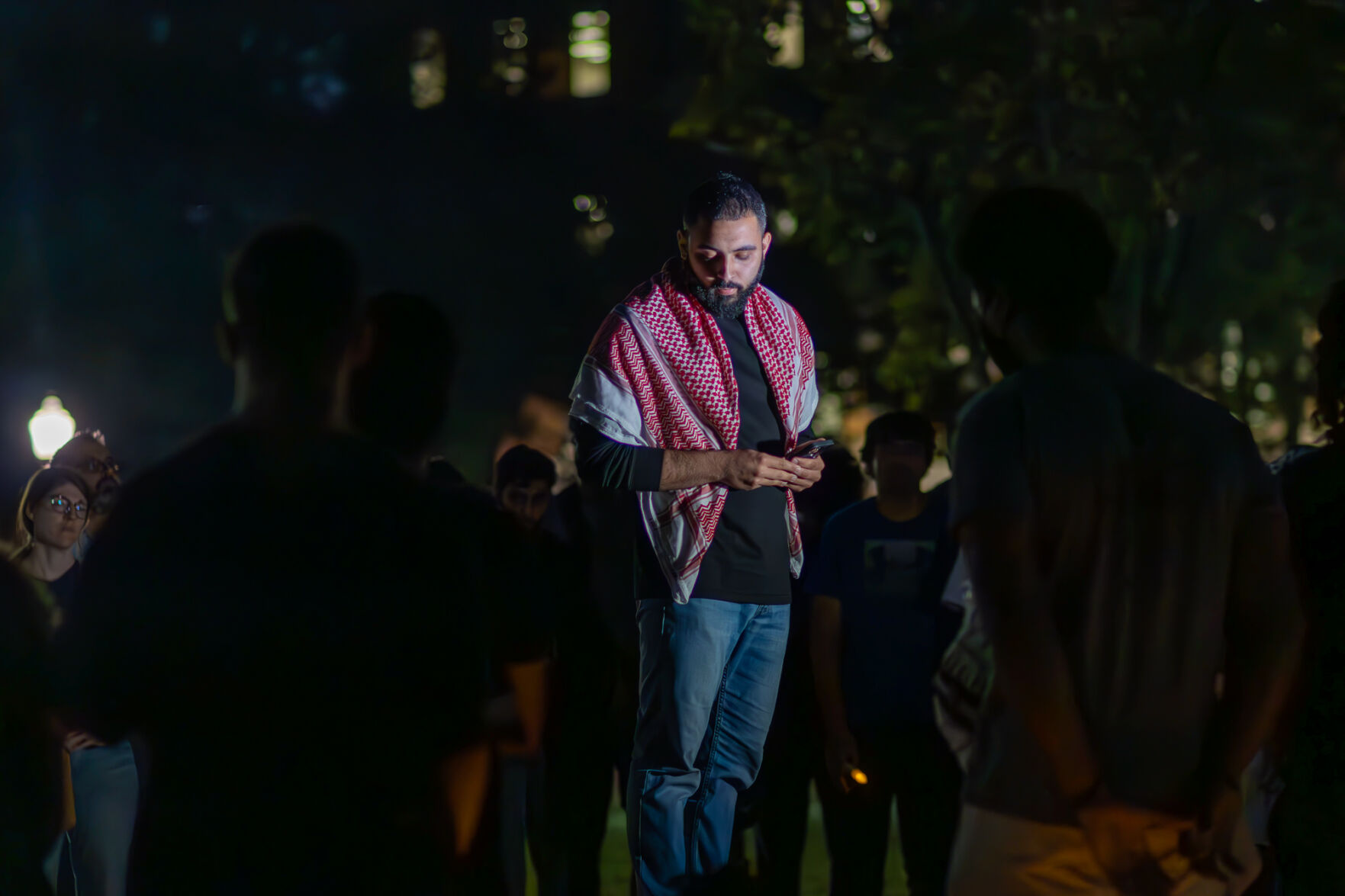
Speaker at the OU Students for Justice in Palestine at memorial Vigil on the South Oval. on Oct. 7.
OU SJP Vigil
Updated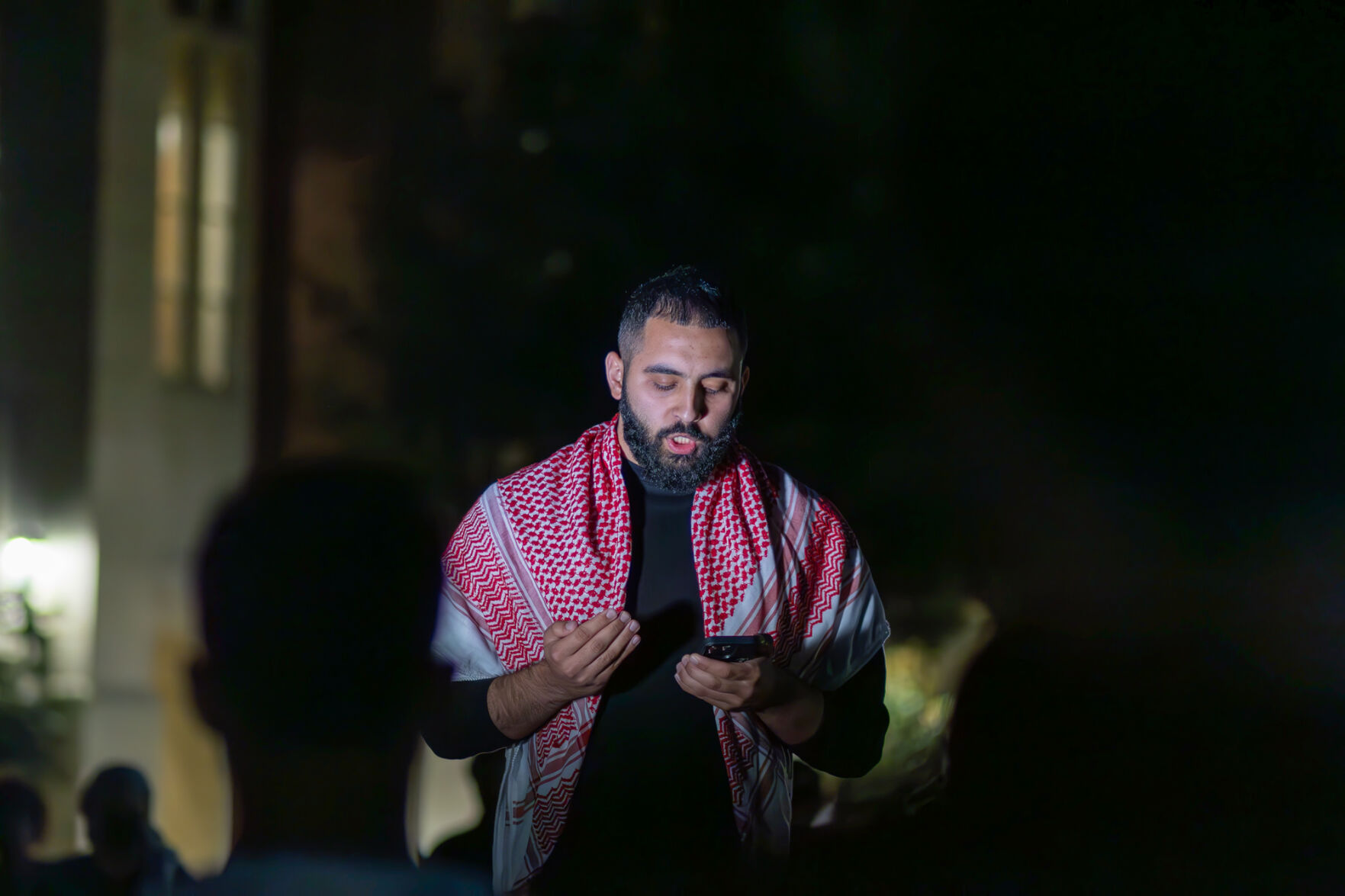
Speaker at the OU Students for Justice in Palestine at memorial Vigil on the South Oval. on Oct. 7.
Chadoqi Jesus Daffron, a Native American OU alum, said the struggles of Palestinians internationally are parallel to those of other Indigenous nations.
“It's basically looking in the mirror," Daffron said. “It's the same things that happen to us happening to Palestinians. It's a horrible thing, and I refuse to let that happen again.”
Daffron and other Native American students held prayers in the lawn of the South Oval for participants to honor the loss of Palestinians.
“I want to bring this fight to the forefront of everyone's minds today, but I also want to do things in a spiritual manner, in a good manner, in a well-spirited manner,” Daffron said.
A member of the local Jewish community read a prayer said by Jews in mourning to bring comfort to the friends and loved ones of victims of genocide.
“The way I've come to interpret it, and it brings me great comfort, is that God is mourning alongside us too,” said a member of the Jewish community who wished to remain anonymous. “He wishes for a world where this pain isn't fathomable. Death can no longer touch us. He mourns the loss of his creations, just as we do. We mourn. God mourns, and we both pray for better times where we won't have to mourn anymore.”
Speakers from SJP urged the crowd to take action for divestment from activities linked to genocide, condemning the university's intimidation tactics and calling for louder and more committed resistance.
“We cannot let them silence us. We must be louder than they are. We must be louder than the memorials that take place on our campus that are protected by the police,” an SJP speaker said. “While they had their memorial at 12 o'clock, we were guarding our flags because OUPD and OU operations threatened to take down the names of martyrs. We must be louder than they are. We must be more committed than they are to liberation.”
The SJP said their Week of Rage would continue with a walk-out on Wednesday morning to make the university hear the voices of students demanding that OU divest from weapons manufacturers associated with the war in Gaza.
“So, on Wednesday, when we walk out of our classes and we make our voices heard on this university demanding divestment from genocide,” an SJP speaker said. “We do it as a community. We do it as a community who mourns together, who mourns and turns our grief into action.”
This story was edited by Anusha Fathepure and Ismael Lele. Grace Rhodes copy edited this story.


