As United States soldiers return from the long wars in Iraq and Afghanistan, the number of student veterans suffering from post-traumatic stress disorder is rising across the country.
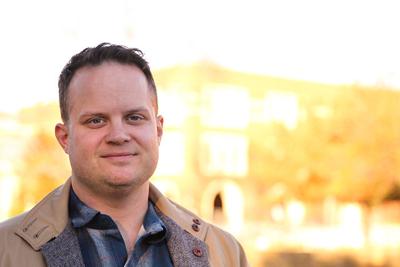
Student veteran Drew Hendricks said he believes the primary problem for veteran students at OU is the lack of support offered due to the fact that it does not provide them a space where they can continue to serve their community.
During his time in the military, Hendricks served 11 years as a combat correspondent, or military public relations officer, and he learned a whole arsenal of skills he thinks should be applicable to his education and the OU community as a whole, he said.
Hendricks said for veterans dealing with post-traumatic stress disorder, it can be hard to come forward or talk about these issues. As proof of that, no veteran who suffers from PTSD volunteered to tell his or her story or their opinion on the matter.
About 11-20 out of every 100 Veterans who served in Operations Iraqi Freedom or Operation Enduring Freedom have PTSD in a given year, according to statistics from the U.S. Department of Veterans Affairs website.
A separate veterans affairs government website stated, “In 2013, over 1,000,000 student veterans are using their GI benefits to pursue advanced educational opportunities.” The site also estimates this number to increase by 20 percent in the following years.
Hendricks said there is a stereotype about soldiers returning home from service with PTSD that makes them out to be somehow broken — a word he was hesitant to even say.
“There’s nothing worse you can tell a veteran than to sit down,” Hendricks said. He said that soldiers are never finished serving.
Shad Satterthwaite, an OU Student Veterans Association member, said current services provided to student veterans include free or discounted tuition and access to medical assistance and support groups on the campus.
Satterthwaite said a lot of the funding for GI bills — GI meaning military personnel — comes from a combination of state and national government funding as well as private funding.
The “Pat Tillman Foundation”, an organization which has recently partnered with OU, provides funds for veterans services and scholarships. Satterthwaite said the foundation is a form of private funding.
He said groups such as Student Veterans Association or the Veteran Support Alliance help provide a sense of comradery for veterans returning to civilian life.
The type and extent of service a veteran receives can depend on the branch of the military which they served because different GI Bills have different requirements and extents to which they assist veterans, according to Satterthwaite.
He also said that certain groups on campus work with organizations such as the National Veterans Association to get veterans on OU’s campus help or support that OU may be unable to provide.
“For soldiers coming back from service, it’s a whole different world,” Satterthwaite said.
He said veterans who return from service and are suffering from PTSD can access support from Goddard Health Services. However, this is one of those examples of a time when an OU group may help facilitate further help from outside organizations such as the Veterans Association, Satterthwaite said.
Hendricks said he and the other veterans in his group appreciate the support they receive from the university and students, and he believes the university is doing the best job that it can.
“I don’t want to slam the college,” Hendricks said, ”The college — most colleges — just aren’t prepared for this issue.”
However, Hendricks does not think veterans are represented or utilized enough on campus. He argued that veterans, young or old, have been taking care of themselves for years. They learned to cook, lead, balance a checkbook and be an adult during their time in service, he said.
“For us, it helps just being able to be a resource to anyone on campus who says ‘hey man I have this problem,’” Hendricks said. “We can help, we have the experience.”
He said veterans are often times natural born leaders or are trained to become leaders. At the very least, Hendricks said, soldiers are trained to be excellent followers, which is a skill he believes could help teach students on campus.
“I have led Marines into serious situations in order to solver serious problems,” Hendricks said. “We aren’t just learning to lead; we’ve done it.”
“We are the best resource for students who have questions, and yet we are still your peers. I’m still a student. I’ve got deadlines like you do. I’ve got tests like you do. I’m going through the same things as you,” said Hendricks.
It is this similarity yet difference in experience that Hendricks thinks veterans really need. Hendricks spoke of a general named James Mattis, who Hendricks called the example of everything awesome and good about being a Marine. Mattis believed in something he called 'post traumatic growth, which Hendricks summarized as “the idea that there are a lot of people who face trauma every day and triumph because of it."
That is the attitude Hendricks thinks makes military veterans such good and capable leaders. Hendricks admitted that he cannot speak for all of them, but for him, the best support veterans can receive is the kind that gives them the chance to continue serving their community, which is what he believes will help them heal best.
No official could be reached from Goddard Health Services in response to questions about services it provide for veterans.


