A dog sits patiently next to a man. A second dog walks obediently next to another man. A third dog pants happily next to a man. A dog lies next to a man. A dog lovingly kisses a man.
The love and trust in each pair of man and dog is undeniable, and both are getting a second chance.
The documentary film “The Dogs of Lexington” is about a program in Oklahoma that trains abandoned, homeless and even violent dogs back into happy, loving animals at the Lexington correctional facility.
Not only does the program help rehabilitate the dogs, but it also helps to rehabilitate the inmates.
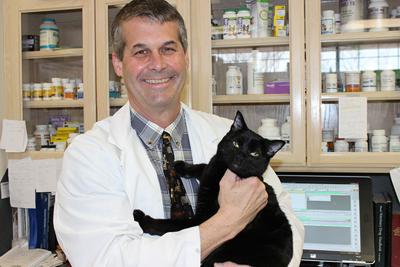
“That’s what I was so amazed by,” says veterinarian and documentary producer John Otto. “It was the transformation this program has on people who have done some pretty terrible things and who have had some pretty rough lives.”
Otto works at University Animal Hospital and helps Second Chance Animal Shelter in Norman to rescue dogs. However, he was hesitant to join the program after growing up with a father who was the former acting-director of the FBI.
“My Dad always said ‘rehabilitation of criminals in an oxymoron’,” Otto says. However, through the Friends for Folks program, there is what Otto likes to call a 'triple win.'
The program benefits the dogs, the inmates and the public. Dogs are taken from death row and then given back to loving families and communities. The training also allows for the inmates to feel like they can give back.
“Some of these dogs are on their last legs so we’re in a sense saving their lives and they’re giving us purpose,” says inmate Todd Saunders in the documentary. “I’ve taken so much in my lifetime, from the community, from my loved ones, and I know my family, they’re proud of me for giving back.”
The program has helped place dogs with children in wheelchairs and people with disabilities, as well as in school settings and retirement homes as therapeutics. This Companion Animal Therapy is something that Otto is trying to expand in the veterinary field.
The film will be showing at OU March 6 in Dale Hall. The non-profit Leadership Student Association, Non-Film committee has been working to bring this film to campus to help educate students about pet responsibility.
“It stood out to me that this program enables two populations that are often over looked,” says Kiera Underwood, the Non-Film committee chair. Underwood is a senior communication major with non-profit organizational studies and anthropology minors. She is in charge of planning and coordinating the event.
“Our number one reason why we got involved with ‘The Dogs of Lexington’ is pet responsibility,” says freshman human relations major Chay John. "Students tend to adopt pets off of the side of the road, but don’t understand the responsibility it takes to take care of the animal," John says.
Through Non-Film, students are hoping to incorporate this pet responsibility with the mission of the Friends for Folks program.
According to Johm, Otto said he always knew the documentary would come to an academic setting and he is glad OU is doing it for him.
Sister Pauline Quinn, the creator of the original program in Washington in 1981, will be coming to Oklahoma for the campus premier and will answer questions for students. She has what Otto calls a “Godsend connection” to be able to think of such an influential and positive program.
These programs have been so successful that Otto is now working on bringing the concept to Mabel Bassett correctional center for women. The transformation of both dog and human has been outstanding and now it’s time to include more correctional facilities around Oklahoma.
“Dog spelled backwards is?” Otto asks.
“To change someone like that. Isn’t that a miracle?” Otto says.
The dogs are rescued and given a second chance. The inmates are able to give back to the community and do something good. Members of the community are able to love and nurture a pet, both children and adults alike.
That’s the triple win.


