

Where thrifting was seen in the past as something only for charity, Drew Sequera, communications junior, thrifts to fill his wardrobe and make money on the side.
“I don’t really have time to take on a full job but I could make some money off of this side hustle,” Sequera said.
Many students at the University of Oklahoma are no exception. Thrifting has gained a lot of traction recently, populating many peoples' wardrobes with secondhand clothing.
Thrifting for clothing has been around for a long time as an easy way to get access to clothes that people no longer need for considerably cheaper than they originally sold at stores. However, the culture behind thrifting for clothes and wearing thrifted items has become more popular in the past few years.
According to the 2021 Resale Report, in 2020, 80 percent of consumers said they were open to purchasing second hand products, a 16 percent increase from 2019. The report also said that over 40 percent of Gen Z and millennial shoppers — many of which are college-aged — have shopped second hand in the past twelve months.
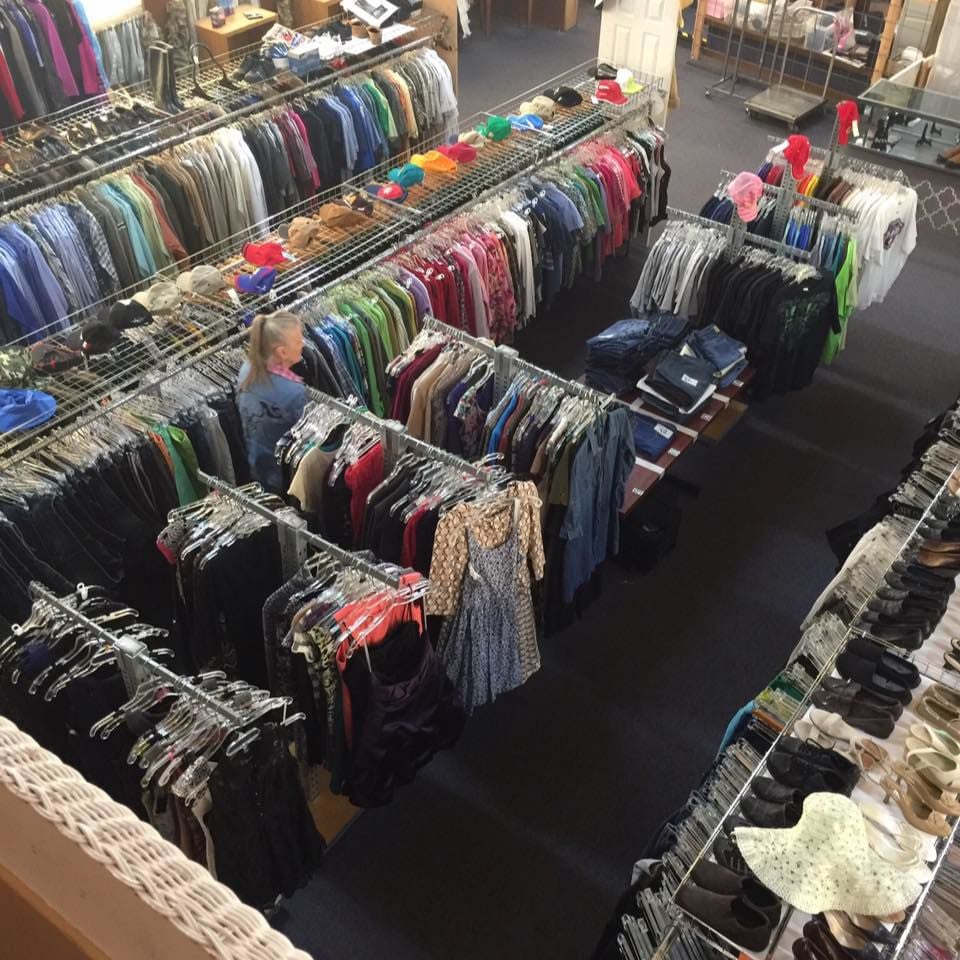
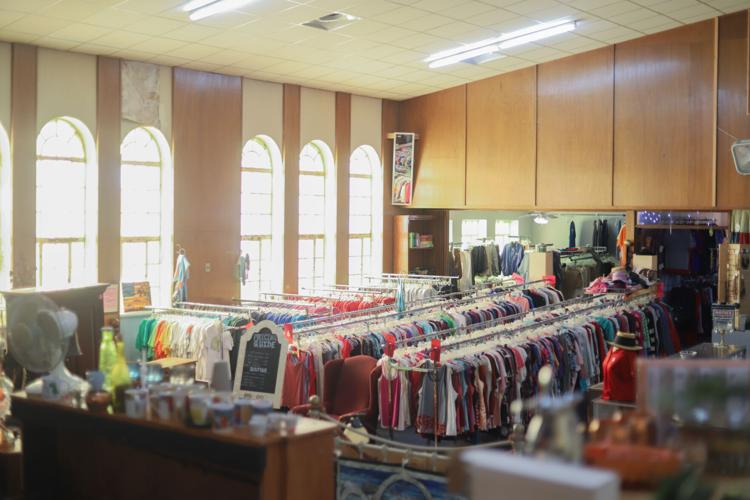
Clothing racks at Donate a Miracle Thrift Store and Boutique.
Justin Ololo, psychology senior, said that thrifting is a part of a culture for him, not just a way to get clothes for cheap.
“I really got into thrifting culture when I was in high school,” Ololo said. “I would say 75 percent of my closet is thrifted. I think the clothes I find at thrift stores really fit my style. I like the vintage style clothing that usually appears at thrift stores, and it’s a good way to save money.”
Ololo said that, despite its rising popularity, thrifting still has a stigma around it for being exclusively for people on a lower income bracket.
“I think that thrifting is looked down upon as something that less fortunate people do to get clothing, but I think thrifting is one of the best ways to shop,” Ololo said. “You find things nobody else is wearing and get to make it your own.”
Ever since the pandemic, thrift stores, like many businesses, have been struggling to keep their doors open. Lyz Farrar, owner of Donate A Miracle Thrift Store & Boutique, said that the store is very thankful for the business college students bring in.
“We get all kinds of people at the store, but we get a lot of college students,” Farrar said. “I would say about 33 percent of our customers are OU students, and we’ve been really fortunate to have the university, because it brings in so many donations as well, when people move out or don’t need their clothes anymore.”
One aspect of thrifting culture that has gotten some attention recently is reselling. Many young thrifters are opening up social media pages to sell their finds at thrift stores for an increased price.
Sequera has used thrifting to make money on the side, with an Instagram page where he sells some of the items he has found at various stores, named vzn.vintage. Sequera said that the page started from an overflow of thrifting in his closet.
“When my friend got me into thrifting, I was finding a lot of cool stuff for myself, and I found so much that my closet was starting to overflow, and I realized I could make some money off of selling some of these finds,'' Sequera said.
The page has about 2600 followers and the clothes featured are sold almost instantly.
“On the post I made yesterday, I had probably 10 people message me about the items on the post,” Sequera said. “On the post I made with the basketball stuff, I got a call about two seconds after I posted it for the crewneck, and about 30 seconds later I got a (direct message) for the hat, and then about 20 minutes later I got a (direct message) for the shirt. I tell people to turn on their post notifications so people get alerted when I post. I sold everything in under a minute, once.”
While Sequera said he wasn’t sure how much money he has made overall on the page, he said it really depends on how much he posts. However, he said that on the basketball post, he made about $55 in profit after selling all of the items.
Sequera said that with his store, he is still giving people a good deal on exclusive clothing.
“You can go to campus corner, and buy a brand new OU polo for like $80,” Sequera said. “I see it as, I’m able to meet people in the middle. I can sell you a $30 polo, and you get a really cool look because it’s probably a polo nobody on campus has, and you’re probably getting it for way cheaper, I’m just willing to go out to all the thrift stores in the area and find them.”
Farrar said that she doesn’t mind if people come in to get things with the intent of flipping the items for profit.
“People always say to me, ‘Lyz, you can make so much more money off of this, you know those people are just going to turn around and resell it …’ and I tell them, ‘Wonderful. Let them,’” Farrar said. “I have no problem with people reselling the stuff, because I’m tickled to death if they’re getting a fair price.”
Sequera said that the secret to thrifting lies not in the places you go, but the consistency you visit them.
“A huge question I get is where I go to find the stuff I put up,” Seqeura said. “People always think I have a secret list of stores where all the good stuff is. I literally type “Thrift Stores” into Google and go to all of them. It’s less about where you go and more about how often you go. You never know when a good donation is going to come in, or where it will come.”
Farrar said that she loves to watch students browse the store and pick out things to buy.

Donate a Miracle Thrift Store and Boutique shop owner Lyz Farrar.
“It is so fun to see students getting excited about clothing at the store. They are always so happy to see the clothes, or try things on. OU has probably some of the neatest thrifters, because they get so excited about it.”
Whether or not you shop second hand, it is becoming a big part of today’s college culture and there are a lot of gems to be found when thrifting.


