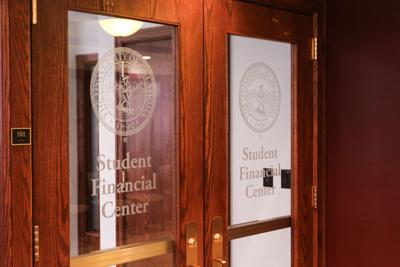

The U.S. Department of Education announced Tuesday it would implement additional steps to help colleges prepare student financial aid forms more efficiently by making it easier for schools to process student records and deploy expertise, funding and tools to colleges to improve the process for the 2024-25 FAFSA.
According to the department’s press release, the new steps will make it easier for schools to process records and spend more time helping students access financial aid for higher education.
The 2024-25 FAFSA was redesigned under the FAFSA Simplification Act, approved in December 2020 as part of federal COVID-19 relief legislation. The purpose was to simplify the process for institutions and students.
The 2024-25 FAFSA would have opened applications Oct. 1, but with the federal modifications its opening was delayed to December 31.
In response to the delay, OU extended the FAFSA deadline for Oklahoma’s Promise eligible students to receive Crimson Commitment scholarships from March 1 to April 1 and the FAFSA deadline included in OU’s CASH applications to April 1, according to an email from Danielle Dunn, director of communications for the Office of Admissions & Recruitment.
The additional steps announced Tuesday build onto the FAFSA College Support Strategy, under which the department is deploying federal personnel to support under-resourced colleges, providing a concierge service, funding $50 million for technical assistance and support within institutions and releasing tools to help these school programs prepare.
“We are determined to drive a constant drumbeat of action to fulfill the transformational potential of the Better FAFSA,” U.S. Secretary of Education Miguel Cardona wrote in the release. “We will strive to leave no stone unturned to make this FAFSA process easier and simpler for colleges, universities, and students.”
To help colleges prepare to process student financial aid forms more efficiently, the department announced steps will include significantly reducing verification requirements, suspending new routine program reviews and providing flexibility on recertification.
According to the release, the department used to select a large portion of FAFSA applicants for colleges to verify. With this year’s overhauled FAFSA form, the department is receiving the vast majority of income data directly from the IRS, which will not need to be verified. The reduction in such verifications will reduce the burden on colleges and students while continuing to protect them against fraud.
The department will also suspend the routinely conducted program reviews that confirm a college meets its requirements for institutional eligibility, financial responsibility and administrative capability through June, except those with serious issues like suspected fraud or a severe breach of fiduciary duty.
According to the release, this will reduce the time that colleges’ financial aid offices need for producing documentation and responding to inquiries from the department, so they can instead focus on quickly getting aid award offers to students.
Institutions with the department’s federal student aid programs expiring in March, June or September will also no longer have to recertify their eligibility no later than 90 days before their program participation agreement expires. This flexibility will provide more time to institutions and enable them to focus their resources on getting students financial aid, according to the release.
The U.S. Department of Education will also deploy federal personnel to under-resourced universities to support financial aid experts, allocate $50 million to nonprofit groups specializing in financial aid support services and deliver test student financial aid records by Feb. 16 to enable colleges to prepare their systems and processes to assemble aid packages efficiently.
Ana Barboza contributed to this reporting. This story was edited by Peggy Dodd and Anusha Fathepure. Kylie Caldwell and Avery Avery copy edited this story.


