


I joined OU Daily’s culture desk in the fall of my sophomore year. A close friend and fellow sophomore ballet major kept talking about articles she was writing for the Daily, and I was intrigued. She gave me an email address and told me to stop by the newsroom to make sure I made contact.
I remember writing my first article, turning it in for edits and feeling so embarrassed about everything I didn’t know. I was nervous that people would figure out I had no idea what I was doing.
It didn’t take long for me to understand that the Daily was a place of learning, mentorship and growth.
As my knowledge grew, so did my confidence.
Culture writing is not the focus of most journalists, but it has been mine since I joined the desk. Jobs are few and far between, and there is much less breaking news. But being on the culture desk has allowed me to assimilate the different areas of my life, and it has taught me how to be a more engaged community member.
There were many reasons that culture was a good fit for me. One of the most impactful has been the ability to engage with the arts — a field I have been a part of nearly my entire life — in a completely new way.
I started ballet lessons when I was 3 and graduated high school when I was 16 to attend a pre-professional ballet school across the country. At the time, the school fostered a toxic environment, and I felt my love for dance slipping away. I decided to come to OU so I could keep dancing but also explore other paths for my life to take. I came to OU when I was 19, in the depths of the COVID-19 pandemic, fully supporting myself. I was unsure of what I wanted for my future.
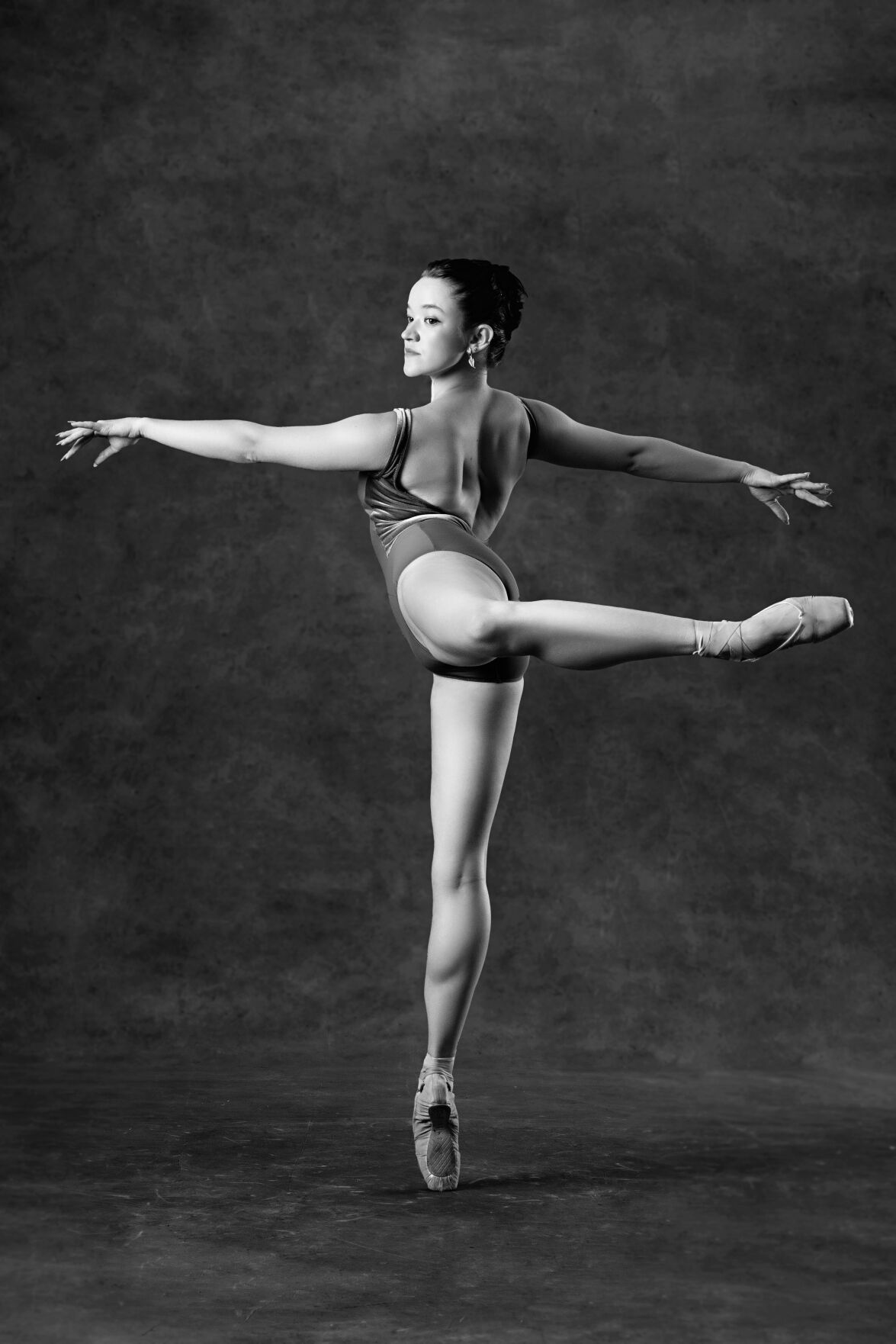
Emma Blakley, outside of her work at the Daily, was a ballet pedagogy student in the OU School of Dance. After graduation, she plans to move to New York to pursue dance professionally.
Joining the Daily was a centering force.
Being a ballet major requires endless hours in the studio. As a self-supporting out-of-state student, the sheer amount of hours I have spent working has often felt isolating. Being on the culture desk, I was able to come right where I was and embraced what I had to give in a way that helped me see my life differently.
An unexpected joy about being on the culture desk has been the ability to use the expertise I have gained from the different parts of my life in one place. The food and drink industry is under the culture umbrella with the arts, and I have been able to bring both of those together in my reporting and my goals for the desk.
Though it has often been tedious and exhausting to balance all the pieces of my life at OU, being on the desk often felt like the one place where all my worlds collided.
Rather than feeling like I was hindered by having to work so much, I felt like I was able to use my understanding of the Norman restaurant industry to help guide my work at the Daily. I felt like I was building worthwhile knowledge, even while gathering plates and making drinks.
Becoming an editor at the Daily has been one of the most rewarding experiences of my life. It gave me a place to explore the very fabric of what makes successful communities and how to support that.
As I have examined how to bring the OU and Norman communities closer to the arts, I have been brought closer to it myself. Both my own reporting and my experience editing other people's stories has helped invigorate my belief in the necessary relationship between the arts and journalism. Having been a dancer for over two decades, this has been deeply transformative.
People find it easy to bring debate into politics and sports. It’s even easy to debate a movie, TV show or album. Though these debates are often built on opinion, it has been my experience that the argument itself is based on what people believe to be objectively true.
When it comes to live theatre, I think it is easy to drop that discussion entirely.
Often, after a show, people congratulate the artists involved.
After a football game, people might discuss certain plays. After a live show, why is the discussion often limited to congratulations?
As I have written and edited stories about a show or an artist, I have noticed that objectivity seems to be hard to find. The difficulty is not because of huge opinions one way or another but rather from a lack of vocabulary.
I’m not a big sports fan, and I would have a difficult time engaging in a discussion about what went down in a certain game. There is a language there that I am completely missing.
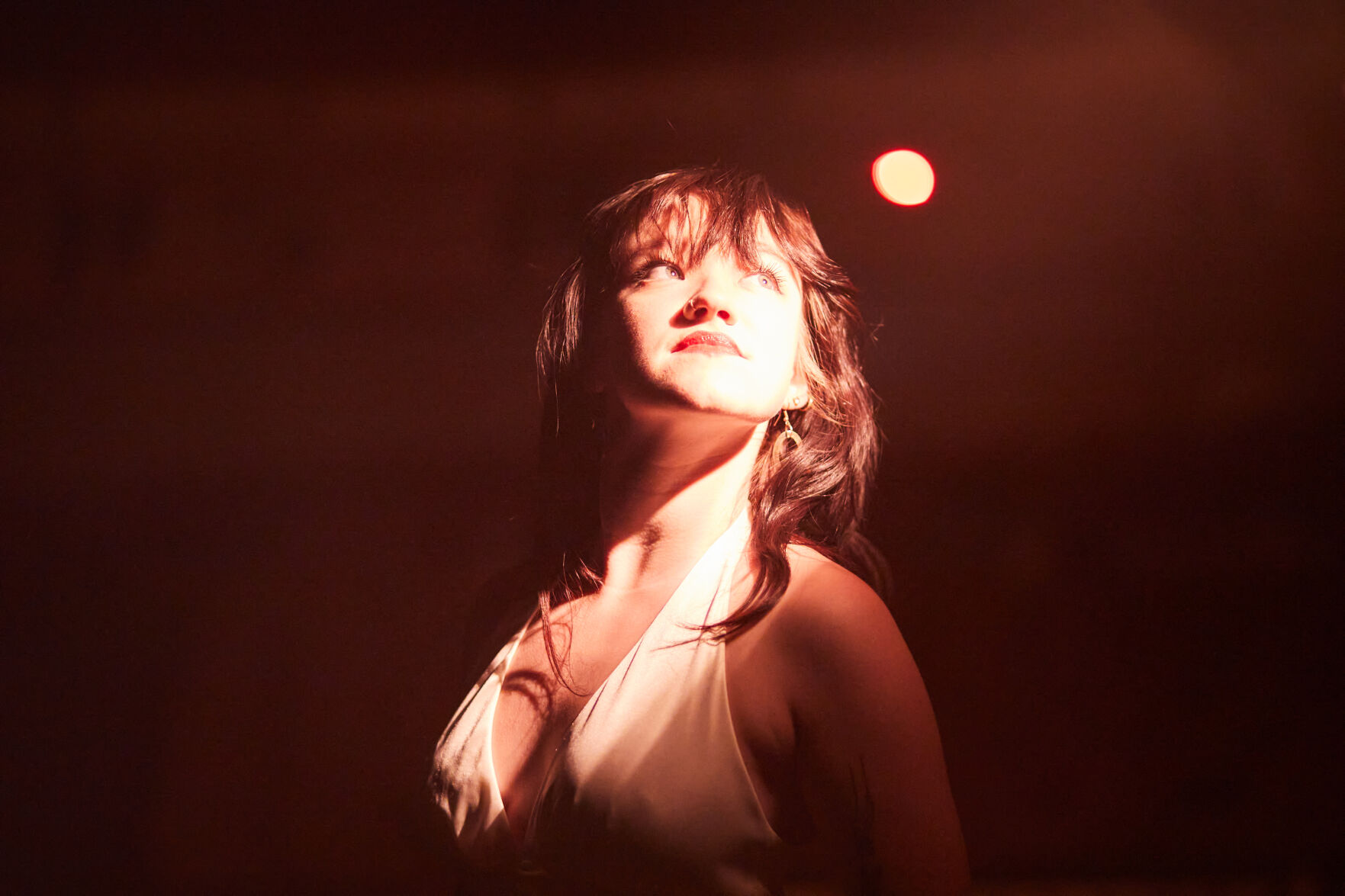
I think as culture writers, we have an opportunity to bring that language to an audience. Examining a piece of art and trying to gauge what is objectively true about it can be difficult. Even in my own experience, the attempt at figuring it out is a type of engagement. It also keeps that art alive because it requires true critical thinking.
My time in the OU School of Dance has brought back my love of it. An equal partner has been the ability to step outside of the shoes of a dancer and experience the arts as a journalist. The examination has been a reminder of why I believe the arts are so important.
My time at the Daily has given me invaluable skills and built my confidence, but it has also made me feel like a more complete person.
It has brought me closer to the thing I have spent my entire life doing, but it has also reminded me of the importance of taking a multifaceted approach to a world I find to be of the utmost importance.
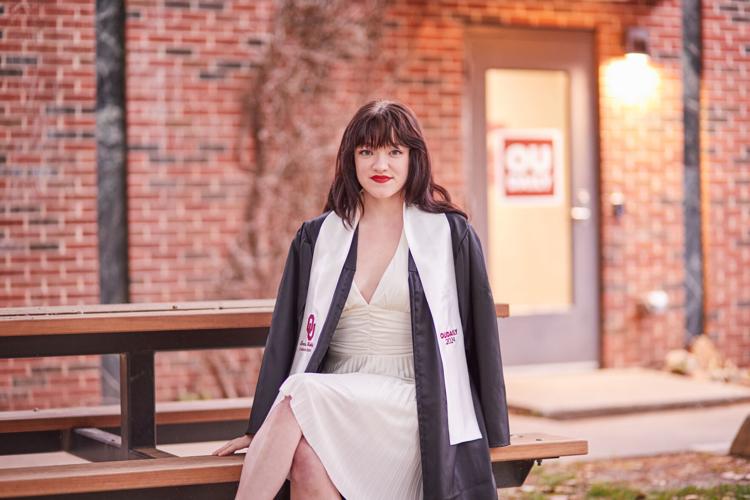
Emma Blakley is a ballet pedagogy graduate with a minor in professional writing. She served as a culture intern, senior culture reporter and culture editor at the Daily. After graduation, she is moving to New York to pursue dance professionally.
This story was edited by Karoline Leonard and Anusha Fathepure.
Read some of Emma’s work: