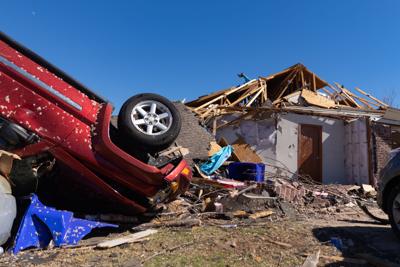
Oklahoma — and OU’s campus — falls in the path of tornado alley, a region of North America where tornadoes are most frequent. Tornadoes occur most often from April to early June but can happen any time of the year. Tornadoes can also happen at any time of day, but are most likely to happen around 4 to 9 p.m. Although tornadoes are common, they still require immediate action. Luckily, OU has multiple safety measures.
Watch vs. warning
A tornado watch means that the weather conditions could lead to tornado formation. A watch can extend over multiple hours. A tornado warning means a tornado is coming, and immediate action is required. An OU RAVE alert will be sent out to all students, faculty and staff if there is a severe weather threat on or near Norman’s campus.
Safety measures
Remember to charge your phone and ensure it can be used without Wi-Fi in case of power outages. Verify that you have registered your emergency contact information with OU RAVE. To verify, go to one.ou.edu, navigate to your account settings and add your mobile phone number if it is not already there. If you live off campus, have an emergency plan and a designated shelter area.
Taking action during class
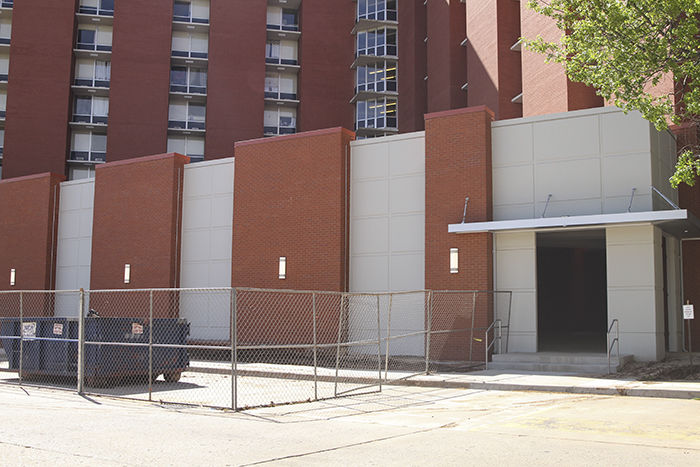
If a tornado warning is issued during business hours on campus, everyone should immediately take shelter. Do not leave the building you are in. Each building on campus has a designated refuge area. Some areas include the Bizzell Memorial Library — where both Lower Levels 1 and 2 have designated shelter areas — and the basements of Dale, Gould, Richards and George Lynn Cross halls. Refuge areas near the North Oval include the Physical Sciences Center and the Fine Arts Center. To see all severe weather refuge areas around campus, go to ou.edu/campussafety.
Refuge areas can also be found at Couch and Walker centers, Kraettli Apartments and Traditions Square East and West.
Taking action after hours
All on-campus residence halls have a sheltering option. Beyond the tornado shelters on campus, options include the appropriate stairwells at David L. Boren and Headington halls and the basements of Headington and Dunham colleges. Many areas can be accessed by scanning a student ID.
Every sorority and fraternity house at OU has a shelter option. If you are not living on campus, prepare to seek shelter at home. The best places to take shelter are a basement or an interior, windowless room. Make sure to have a plan before severe weather occurs.
Winter weather
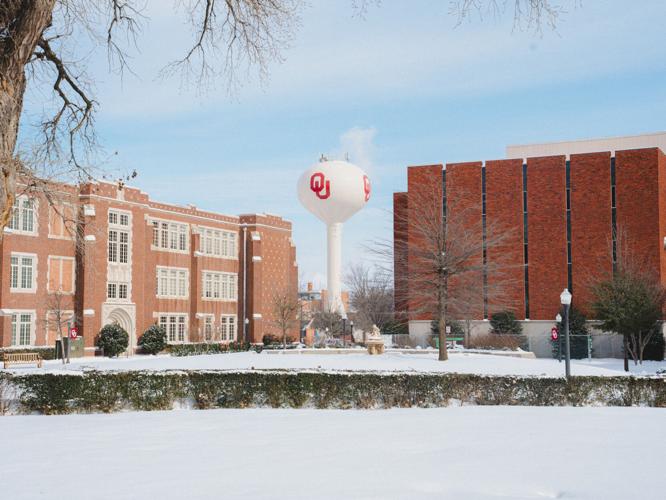
Although tornadoes are a common occurrence, Oklahoma’s winter weather can be icy, dry and unpredictable. Strong winds and freezing temperatures can cause wind chills to dip into extreme temperatures. A dangerous wind chill is -19 degrees Fahrenheit or colder. Skin exposure to this for more than 30 minutes can lead to frostbite. If the wind chill is over -30 degrees Fahrenheit, it can lead to frostbite in only 10 minutes. Before heading outdoors, check the weather and limit outdoor exposure.
Class cancellation
Classes may be canceled due to weather-related circumstances, the most common of which are snow and ice. OU’s emergency response team monitors the weather. If the university has an unscheduled closure, you will receive an alert through OU RAVE on your cellphone or through email.


