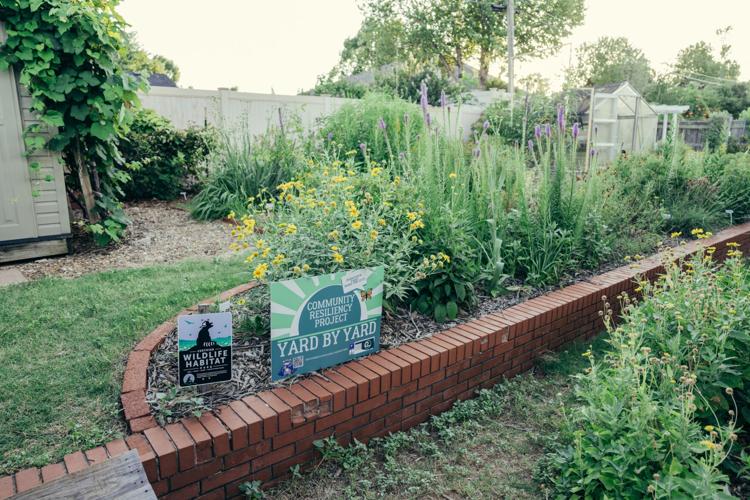

Yard by Yard, an organization created by the Oklahoma Conservation Commission, is encouraging homeowners in Oklahoma to adopt sustainable gardening practices.
According to the city of Norman website, water consumption in Norman has gradually increased from 2011 to 2021.
A research article from the Proceedings of the National Academy of Sciences found that urban construction results in habitat loss since buildings disrupt ecosystems, leading to soil runoff that contaminates water supplies.
Yard by Yard focuses on helping individuals implement sustainable yard practices to prevent runoff.
“It all sort of starts there — what the soil is doing and how that affects the plant health. That can affect the ecology above ground as well,” Casey Hentges, a horticulturist at Oklahoma State University, said.
Yard by Yard certifies homeowners' yards that follow conservation practices, including forgoing pesticide use and mowing to higher lengths.
“The program was essentially created to engage people who are practicing conservation in urban environments,” Marcus Long, director of Yard by Yard, said.
Yard by Yard also educates residents about the importance of growing plants that provide nectar and pollen for native wildlife. The National Park Service states that milkweed, for example, is a primary food source for monarch caterpillars.
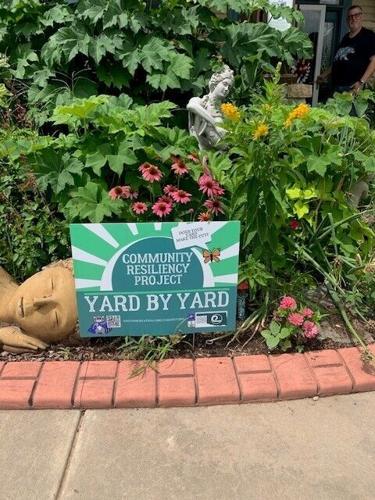
Long said monarch butterflies are one of Oklahoma’s primary pollinators, so planting food for them has a positive impact on the ecosystem. Certified yards receive a sign, which encourages neighbors to follow the same practices.
While the organization had a slow start, Long said it has doubled in size every year since 2022. The centers of growth are primarily in Oklahoma City, Tulsa and Norman. It has been featured in OSU’s show Oklahoma Gardening, hosted by Hentges.
Hentges said she met Long through the Oklahoma Conservation Commission. Inspired by the Dust Bowl of the 1930s, the OCC was established to reduce soil erosion, promote clean water practices and promote sustainable farming. According to Long, the OCC established Yard by Yard to expand conservation efforts in urban areas.
“I think a big shift is occurring where people are looking at more eco-friendly landscaping,” Hentges said. “I just thought (Yard by Yard) was a really cool program that I wanted to help promote for them.”
Hentges said Oklahoma Gardening was like a “how-to gardening show” that specializes in addressing challenges posed by the state’s diverse weather. It also promotes ecological diversity in Oklahoma, which, with 12 different ecoregions — and tied for the most in the U.S. — is one of the most biodiverse states.
“Whether it's the monarchs or the birds or things like that that are migrating, how, in an urban environment, can we help facilitate that movement of some of those species?” Hentges said.
Hentges believes urban gardening may increase migration and therefore biodiversity.
Yard by Yard currently focuses on creating incentives to encourage more residents to implement conservation practices in their gardens, promote migration and protect native species. Long said if a resident wishes to implement a rain barrel in their garden, the organization would provide some of the resources to do so.
Long said another current program goal includes developing more sustainable certification signs to display outside of participating yards since the current signs are subject to degradation. Additionally, the program is preparing to host the Sustainable Urban Landscape Conference next summer, which will train more people in urban conservation practices.
“The big overarching goal of the Yard by Yard program and all my work is to raise the level of green infrastructure in terms of wildlife habitat, flooding mitigation and drought mitigation,” Long said. “The other piece is food sovereignty — people's ability to have power over their own food, and not just food, but healthy, nutritious food.”

A Yard by Yard sign.
Hentges said gardeners have a variety of motivations for their work, including mental health, aesthetics and nutrition.
“There are people that are doing it because they want their yard to look pretty, or they want to attract wildlife. … Some people are doing it for the nutrition side of things. To be able to grow your own vegetables and have control over what you're actually eating,” Hentges said.
Yard by Yard’s sister program, Grounds by Grounds, was established soon after Long joined the OCC. Grounds by Grounds expands conservation efforts into public spaces such as churches, schools and businesses with the aim of increasing impact by covering more area.
While both programs’ goals and methods are similar, Grounds by Grounds requires that certified spaces also provide an educational component within the organization. Cleveland County currently participates in Grounds by Grounds.
Chris Ward, education director and district manager of the Cleveland County Conservation District, emphasized the importance of urban conservation efforts.
“You may not think that it's such a big deal to change the oil in your driveway — (let it) run down the driveway, let it go into the storm drain,” Ward said. “But that storm drain does not lead to a sewage plant. It leads to a local creek, and that creek leads to another creek, and that creek will lead to Lake Thunderbird, and that is your drinking water.”
Although farming practices are often brought up in the environmental conversation, Ward said individuals in urban areas tend to also implement harmful soil practices. A study from the University of Quebec in Montreal found that urban honeybee tissue contained significantly higher levels of pesticides and metals when compared to their rural counterparts.
“Farmers live and die by the health of their soil,” Ward said. “Urbanites don’t understand that continuously fertilizing their lawn is actually going to kill it faster, and it's whacking it out of its normal dormancy periods. Because they're overdoing it, it's just sitting in the top soil and it gets washed away anyway, and it ends up again in our stream system.”
Ward emphasized the need for individuals to conserve water and avoid contaminating water supplies in the future.
“(Yard by Yard) is a way for us to recognize those gardeners who are already doing their part, bring some kudos to them and encourage somebody else to go, ‘Hey, this is cool. It's beautiful. It's not what I thought it was, and I can do this.’” Ward said.
This story was edited by Ismael Lele, Anusha Fathepure and Ana Barboza. Avery Avery copy edited this story.


