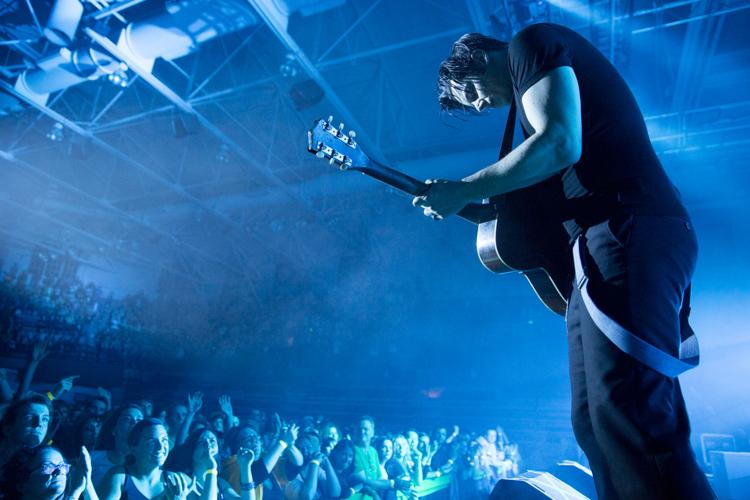
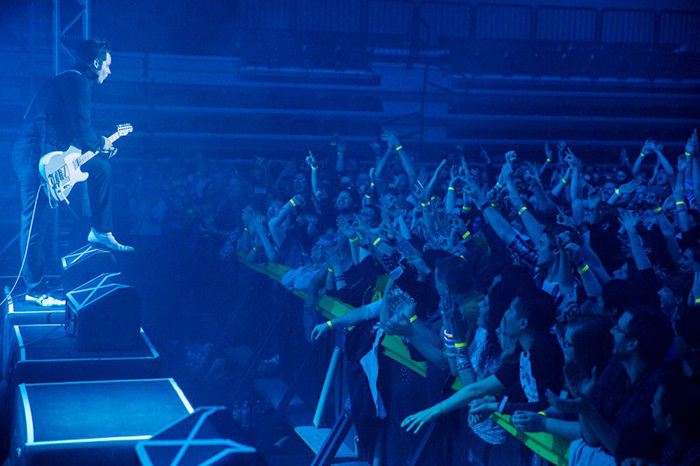
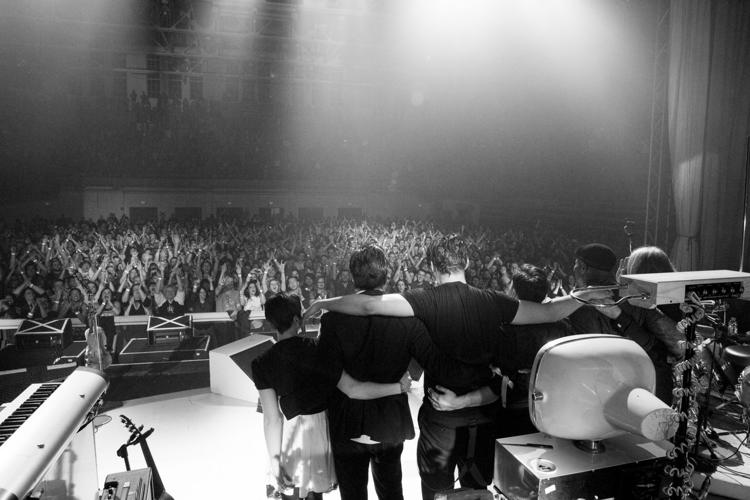
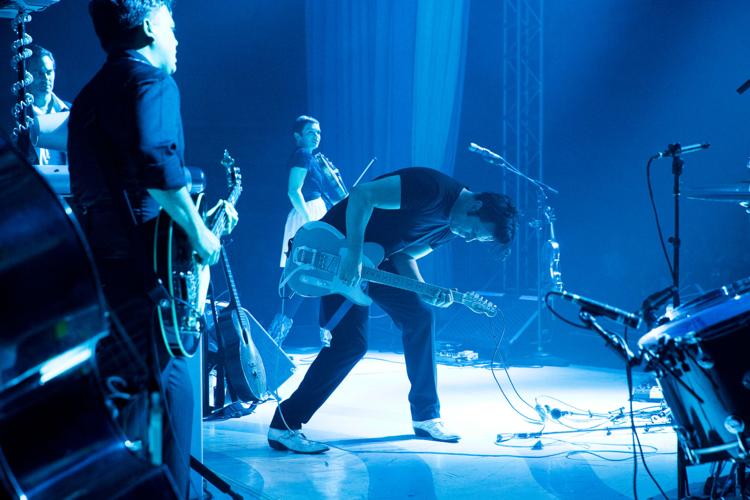
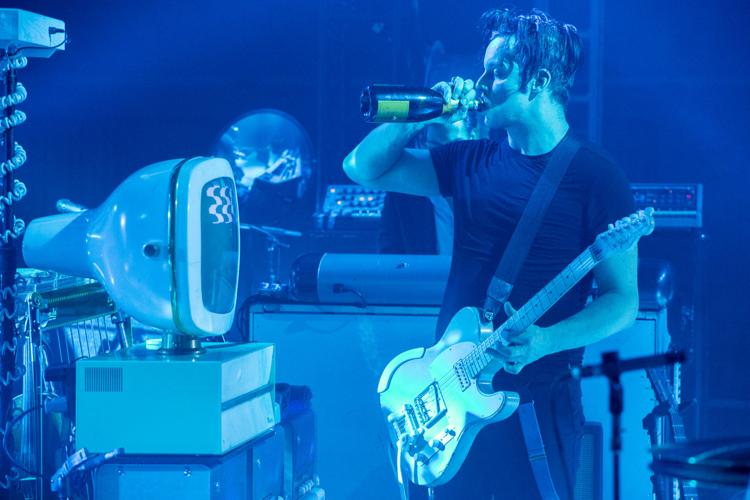
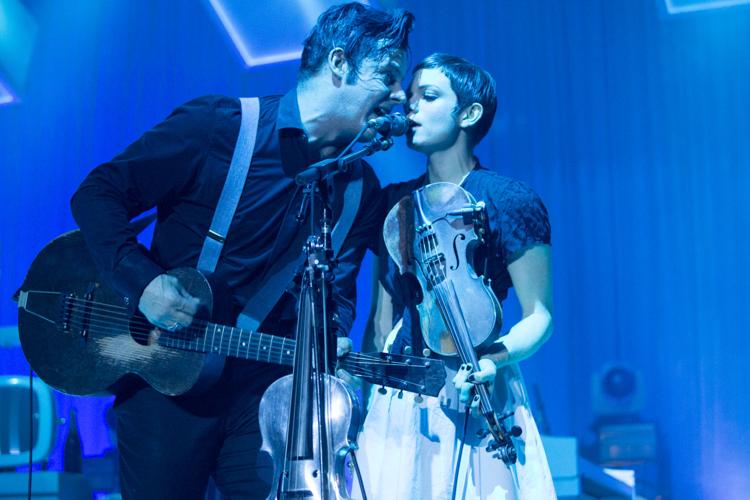
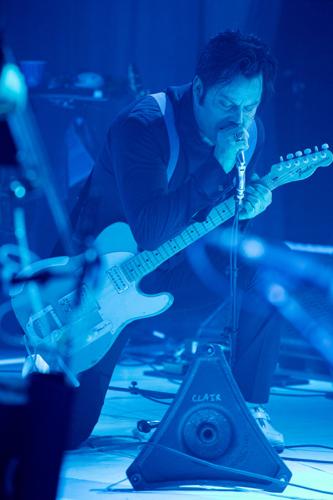
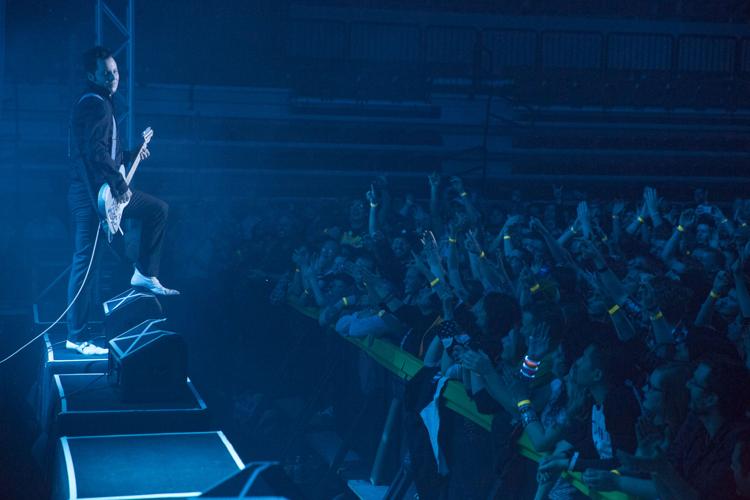
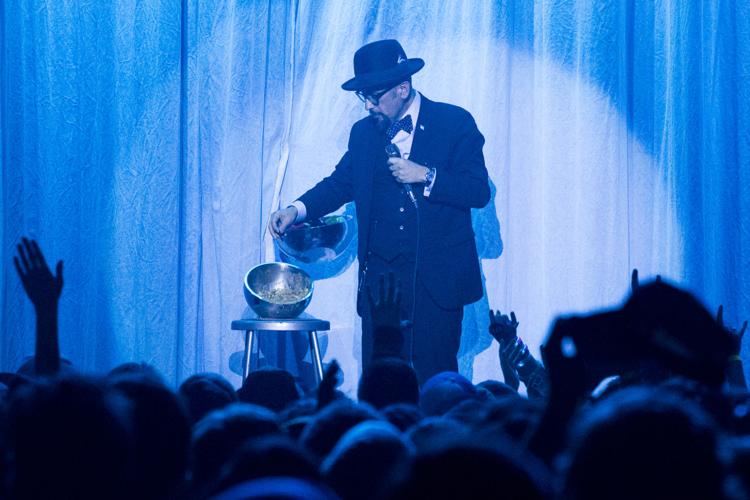



Jack White came to OU Feb. 2, performed and left — but that’s not all that happened on OU’s campus between The Daily, Campus Activities Council, William Morris Endeavors entertainment and Jack White.
Here's what happened, from CAC planning the concert, to The Daily reporting White's contract details, to William Morris Endeavor's subsequent blacklisting of OU.
Setting Up the Concert
In December, The Daily published an article that White was coming to OU.
Each semester CAC puts on free shows for the university. This semester, with $42,500 allotted from Student Government Association’s student fees, CAC’s Concert Series officials were looking for artists to bring in, and White was a good deal.
Before signing White, CAC officials contacted agencies that expressed interest in putting on a concert.
At first CAC officials didn’t think they would be able to afford White, who normally charges around $200,000, but after talking to his agent and discussing the price of college shows they realized it was a possibility, said Emilye Lewin, CAC Concert Series chairperson.
White had never played on a college campus before and wanted to for this tour. Because he hadn’t done shows for a college before, the cost to bring White here was only $80,000.
“[Jack White and his band] were really excited about coming here especially with the history behind McCasland [Field House] — Jimmy Hendrix played there — and the prestige of the university,” CAC chairperson Layne Ferguson said.
OU was one of four concerts that White is playing on college campuses during his Lazaretto tour.
Lewin’s Concert Series team gave three proposals to the CAC executive board. Everyone weighed in on who to look into bringing to OU.
After that the CAC members focused on the likelihood of being able to sell tickets at OU during a presentation to the general council to get approval for the concert.
According to White’s Artist Tour History Report, White has a 94 percentage tickets sold per show average, with an average audience size of 4,425 and average gross of over $231,000.
This average audience size correlated with McCasland Field House, which can seat about 5,000, Ferguson said.
“He has come to Oklahoma before but has always chosen to play at Cain's Ballroom because of the history behind it, so McCasland seemed like a good fit because it’s around the same size,” Lewin said.
CAC general council allocated $115,000 of non-student fees for the concert. This money was left over from sponsorship money from other events CAC had done. The rest of the money, about $15,000, was from student activity fees.
The deal was made and White was coming to OU.
During that time, emails were sent back and forth between and William Morris Entertainment employees to negotiate who was providing what for the concert, such as lighting and sound equipment, and making sure McCasland Field House could handle the amount of electricity needed for the concert.
Reporters emailed White’s management with questions such as why White chose to play at OU and what he was most excited about.
Rhett Holmes, a private production manager hired by OU to coordinate parts of White's concert, emailed back and forth and said he was prepping the questions to go to management.
Days Leading Up to the Concert
On Jan. 29, five days before the concert, The Daily posted White’s rider and contract. Some people saw it as mocking White and WME contacted CAC, without The Daily being aware, saying it needed to be taken down.
Marc Geiger, who runs the music area of WME, emailed Nguyen and said, “Please communicate to the OU daily and administration that their desire for free speech cost the students of OU any further shows from this agency until this policy is modified to not disseminate private information.”
Geiger also said, “We will not do business with OU until this policy is modified. That’s my free speech and free choice. They cost themselves a business relationship.”
At this time reporters were trying to contact CAC members about the concert's costs. CAC members were on a retreat that weekend and didn't respond to reporter inquiries over the weekend.
Concert Day
On Feb. 2, the day of the concert, Sooner yearbook, The Norman Transcript, and The Daily reached out to confirm their press passes for the concert. The groups didn't receive passes because White didn’t want press in his concert, something that is becoming increasingly common in the music industry.
“Let’s just enjoy this with our eyes and ears,” White said in an interview on CONAN about asking audiences not to record. “It’s better to be in the moment.”
White makes photos from each concert available on jackwhiteiii.com.
The Daily sent reporters outside of McCasland Field House to get pictures of set up and people lining up for the show.
One photographer from The Daily was taking pictures outside of McCasland Field House and was told to delete the images off the camera’s memory card or give up their camera.
The photographer deleted the photos, but they were recovered when they got back to the newsroom.
At the concert, guacamole was brought on stage in a response to The Daily’s post of White’s rider that included a guacamole recipe.
White also commented on The Daily, the Freedom of Information Act, journalists, lawyers, philosophy and OU's smoking ban.
The Daily published a concert review that night.
After the Concert
The next day, The Daily published a response to White's comments.
The day after that, on Feb. 3, The Daily received a letter to the editor from Lewin and Ferguson stating that “WME would never play an OU show again.”
The Daily called WME to confirm this information before the letter ran, but WME declined to comment, saying any questions could be emailed to them.
On Feb. 5, The Daily met with CAC officials to discuss the ban and concert costs.
The total cost to put on White’s concert was $133,747.61 and $132,875.00 was earned back from ticket cost sales, according to receipts presented by CAC. The group essentially broke even on the concert, which is what they intended to do.
“Ultimately our goal wasn’t to make money,” Lewin said. “The reason we charged $25 instead of $65 was so that we could put it on for the students.”
$42,500 from student activity fees allotted to CAC is set aside for the Concert Series at the beginning of the year.
Some of this money is put into Must Stay Weekend, which CAC puts on with the Union Programming Board and other organizations on campus. However, a majority of funds used to put on the concert was from sponsorship money, with almost all of it being earned back.
“The reason we didn’t get [$231,334] is because we had the cheapest tickets on tour,” Ferguson said. “We spent weeks trying to figure out how we were going to make this the best for the students, the cheapest price, the best investment and how to create a culture here that is going to bring more big headlines at a good price.”
This meeting also confirmed that WME had blacklisted OU.
WME called Nguyen and Ferguson right before The Daily’s interview telling CAC officials to tell The Daily that WME didn’t want to talk to The Daily and that OU was blacklisted, Ferguson said.
The Daily ran the letter to the editor that night and wrote an article about the black listing.
News organizations around the U.S. started writing about the events between The Daily and White following WME’s barring of OU.
White’s management, Monotone Inc., sent out a press release responding to WME’s blacklist stating at no time did Jack White or White’s management say that they would never play at OU again. The Daily posted White’s management’s response that day.
Although the letter refers to White’s rider as private, the rider was a part of the contract between OU and White, making it a public document. In the state of Oklahoma, under the Oklahoma Open Records Act, “persons who submit information to public bodies have no right to keep this information from public access nor reasonable expectation that this information will be kept from public access.”
Since OU is a state public university, all documents are accessible to any member of the public through an open records request email.


