

The Oklahoma Historical Society held its 26th annual Statewide Preservation Conference at the College of Architecture last week. The focus of the conference was on finding, preserving and sharing Oklahoma’s history and culture.
Representatives from across the state gathered to hear from 54 preservation specialists and guest speakers for informational sessions and special events about further protecting Oklahoma’s historical structures.
Norman was among many of the cities that were recognized for their preservation efforts. The historical districts in Norman operates together with University of Oklahoma for the benefit of one another. As one grows, so does the other.
We would like to invite you to join us as we highlight a few of the oldest and most iconic structures and districts that define our great city.
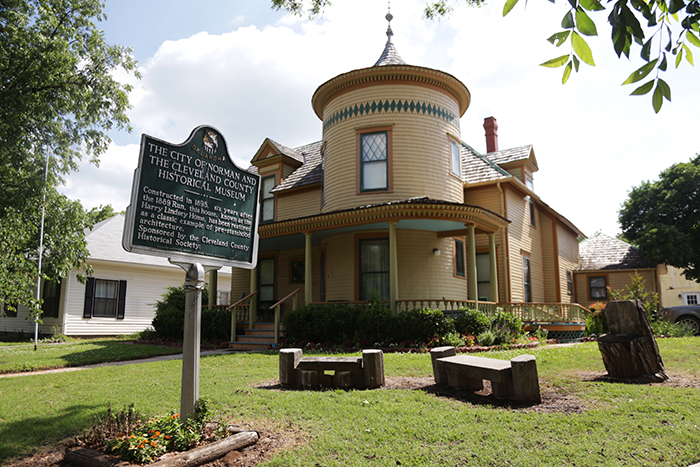
The Moore-Lindsay Historical House
Built: 1899
508 N. Peters, Norman, OK
This Queen Anne-style, Victorian home is not only a historical house. It is also a museum. Purchased by the city of Norman in 1973, a non-profit organization now operates the house as a museum. It now houses rare books, photographs and artifacts from historic Norman.
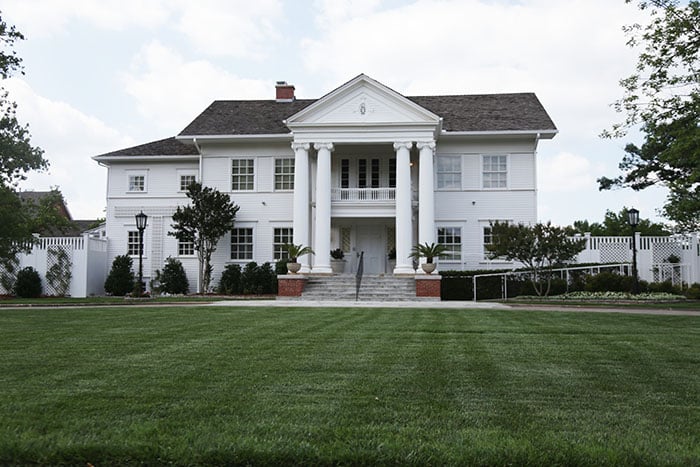
Boyd House
Built: 1906
407 W. Boyd Street Norman, OK
Designed by OU’s first president, David Ross Boyd, the Boyd House is often referenced as OU’s White House, because many of the university’s presidents have lived there during their time at OU. Located adjacent to campus corner, the house is widely known and recognized by both students and residents.
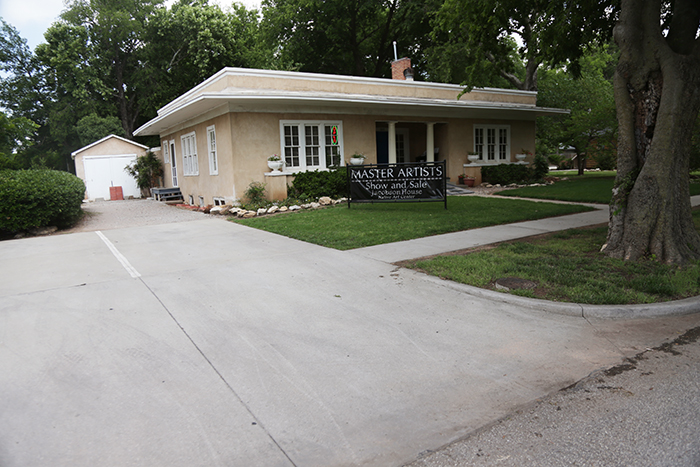
Jacobson House
Built: 1917
609 Chautauqua Avenue, Norman, OK
This house offers a unique opportunity to see Oklahoma history. Created by Swedish-born Oscar and Jeanne Jacobson, the house is an open environment featuring Swedish motifs. Now a Native American art center, the Jacobson House is nationally recognized for its documentation of the evolution and success of Native American art in Oklahoma.
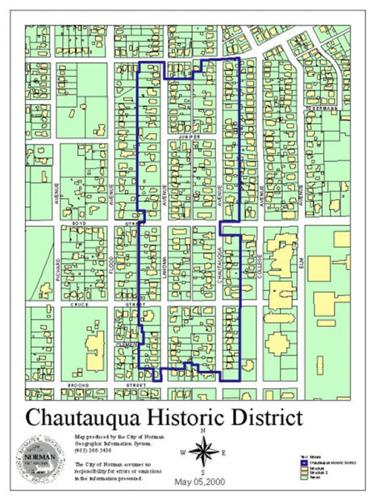
Chautauqua District
Built: 1915-1935
Located between Symmes Street to the north and Brooks Street to the south, Chautauqua on the east and Lahoma Avenue on the west.
Established in 1995, the Chautauqua district was Norman’s first-designated, local, historical district, encompassing all 153 residential structures and protecting them from alteration. University deans, faculty and prominent individuals in Norman are among those who have lived in these homes throughout the years.
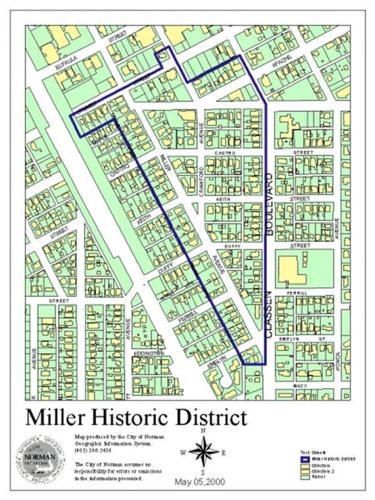
Miller District
Built: 1910-1938
Located between Symmes Street on the North, Classen Avenue on the east and Miller Avenue on the northwest and southeast.
Designated as a historic district in 1997, the area contains approximately 148 residential structures. Faculty members and business leaders mainly lived in these homes, which are widely diverse in appearance. This combination has helped shape Norman into the diverse, unique city it is today.


