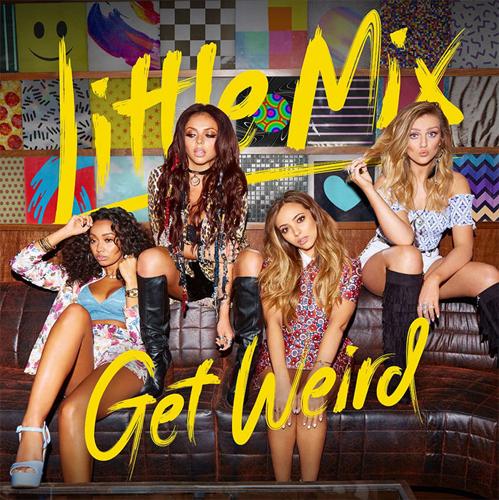




With Little Mix’s new album bringing prime girl group sound back to the table, there is a lot of discussion to be had about girl groups, especially in a modern context.
To clarify, girl groups are the female answer to a boy band. Girl groups are groups of girls who do not play instruments, focusing only on vocals.
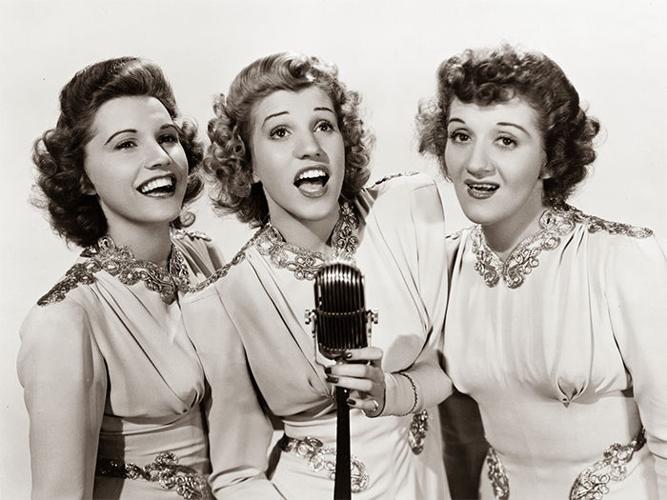
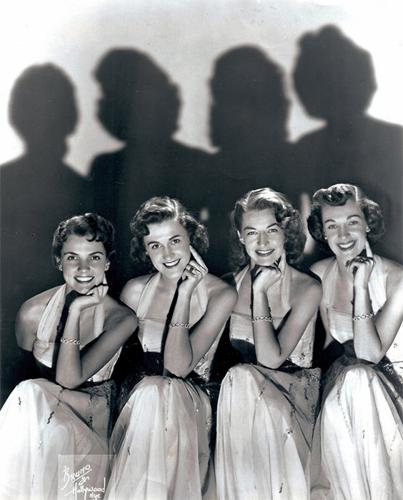
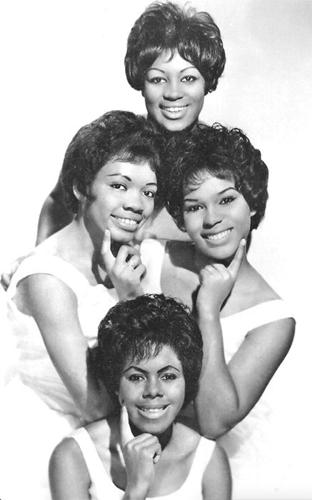
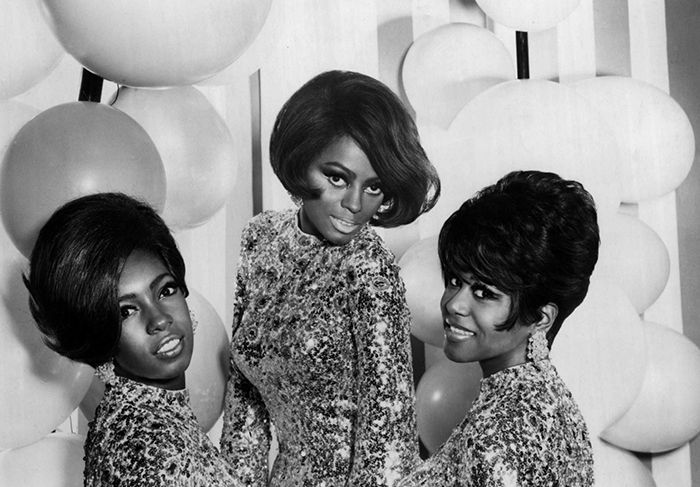
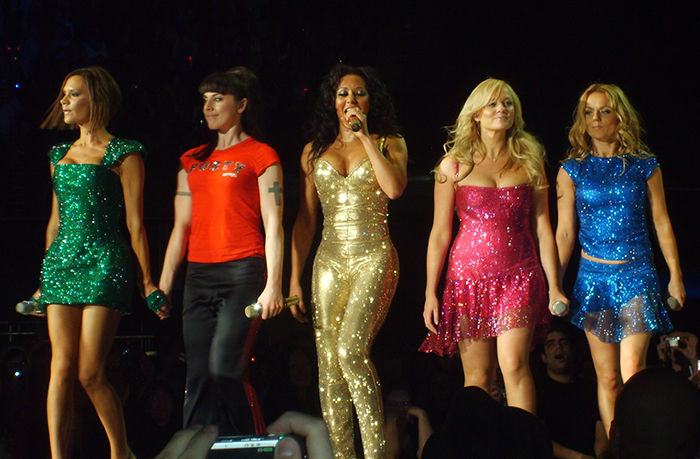
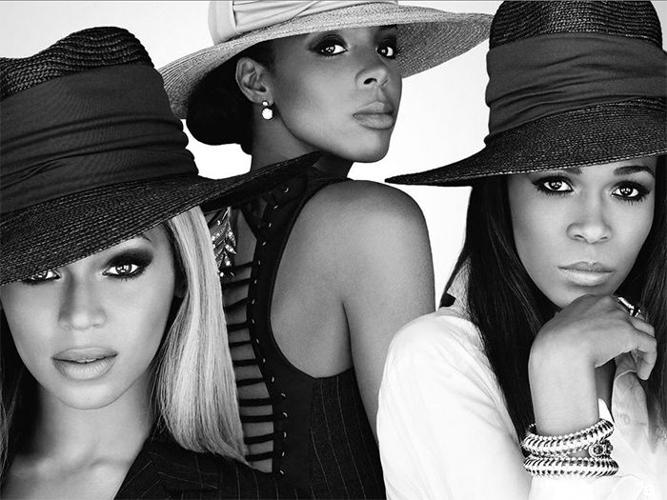
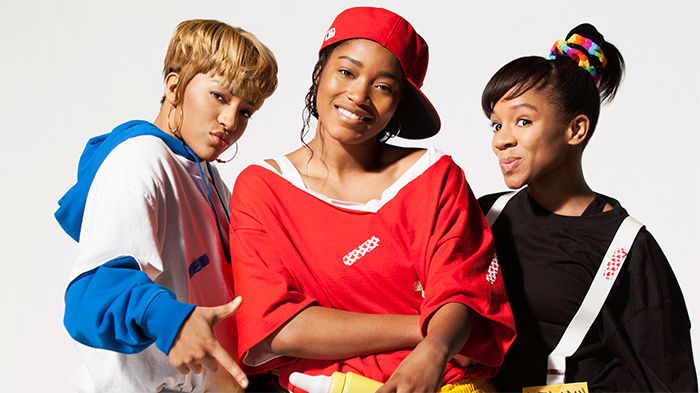
Girl groups have a rich history. Starting with The Andrews Sisters in the 1940s (“Boogie Woogie Bugle Boy of Company B”), there was a prime for girl groups in the years from 1950-1970. The Chordettes (“Lollipop”), The Shirelles (“Will You Still Love Me Tomorrow”) and The Supremes prove there have always been talented girl groups. In more modern terms, there are The Spice Girls, Destiny’s Child, TLC, The Pussycat Dolls, Little Mix and Fifth Harmony. Although there are several major K-pop and J-pop girl groups, they have found less success in America.
Girl groups have always featured more equality and representation than more mainstream acts. In the 1960s, Motown was responsible for some of the biggest girl groups: The Supremes, The Marvelettes, and Martha and the Vandellas. Both Little Mix and Fifth Harmony, two modern girl groups, feature women of color, continuing this tradition of representation.
Girl groups also have a high emphasis placed on stage performance. In some ways, girl groups are still stuck in the 1990s, where if your band didn’t play an instrument on stage, you were expected to have intense and engaging choreography. Think The Backstreet Boys’ classic “Everybody” dance moves. Modern boy bands have nowhere near the same amount of choreography but girl groups still have similar stage presence. The disassociation between male and female groups in the same genre is troubling.
One of the best things about modern girl groups is that their empowering messages are allowed to reach young audiences. This is something that recent girl groups have come to own as their own signature. From Destiny’s Child “Independent Women” parts 1 and 2 to TLC’s “No Scrubs”, there is precedent for female strength in girl groups. Several modern girl groups have also taken up this banner.
The women of Little Mix (Jesy Nelson, Jade Thirlwall, Leigh-Anne Pinnock, and Perrie Edwards) emphasize this lyrical feminine strength. Little Mix has more albums to go reach their peak in this area. Their biggest hit in the US was released on their first album, “Wings,” and shares the positive message to not let mean comments get you down.
“Salute,” their second album, has more overt “girl power” songs. The album opens with the title song, which is a call to the women of the world, with funky drums and an interesting beat. With such intense lines as “Let us stand together/And remember, men fight great but women are great fighters,” the women of Little Mix remind the world that women are valid, while drawing on strong themes of female solidarity.
On their most recent release “Get Weird,” Little Mix has songs about female strength after a breakup. From “Hair” to “Grown,” Nelson, Thirlwall, Pinnock, and Edwards tackle issues including romance from a distinctly feminist perspective.
Even “Love Me Like You” draws on dynamics and sounds from earlier girl groups. The song wouldn’t be out of place in a 1960s girl group ballad with harmonies to die for.


